
TL;DR:
- Impact coffee buying involves direct relationships and measurable outcomes beyond certifications.
- It supports mental health and community projects through transparent practices and long-term commitments.
- Consumers should seek brands with clear impact reports, named partners, and specific, verifiable contributions.
Buying a bag of coffee labelled 'ethical' feels like the right thing to do. But here's the uncomfortable truth: a label alone rarely guarantees the kind of change you're hoping for. Many of us assume that Fairtrade or Organic certification means producers are thriving, communities are supported, and mental health programmes are funded. The reality is far more nuanced. Impact coffee buying is a deeper, more deliberate practice, one that demands transparency, measurable outcomes, and ongoing relationships. This guide breaks down exactly what impact coffee buying means, how it creates real change, and how your daily cup can genuinely support mental health initiatives across the UK and beyond.
Table of Contents
- What is impact coffee buying?
- How does impact coffee buying create real change?
- How to identify authentic impact coffee
- How your cup supports mental health and community initiatives
- Why transparency and measurable outcomes matter in ethical coffee buying
- Take meaningful action with impact coffee
- Frequently asked questions
Key Takeaways
| Point | Details |
|---|---|
| Go beyond labels | Real impact starts with transparent relationships and measurable changes for producers, not just certifications. |
| Support community wellbeing | Your coffee choice can directly fund mental health and social projects at home and abroad. |
| Look for transparency | Choose brands that share their impact reports, premium pricing, and long-term commitments. |
| Every cup counts | Small changes in your buying habits can contribute to the UK's growing ethical economy. |
What is impact coffee buying?
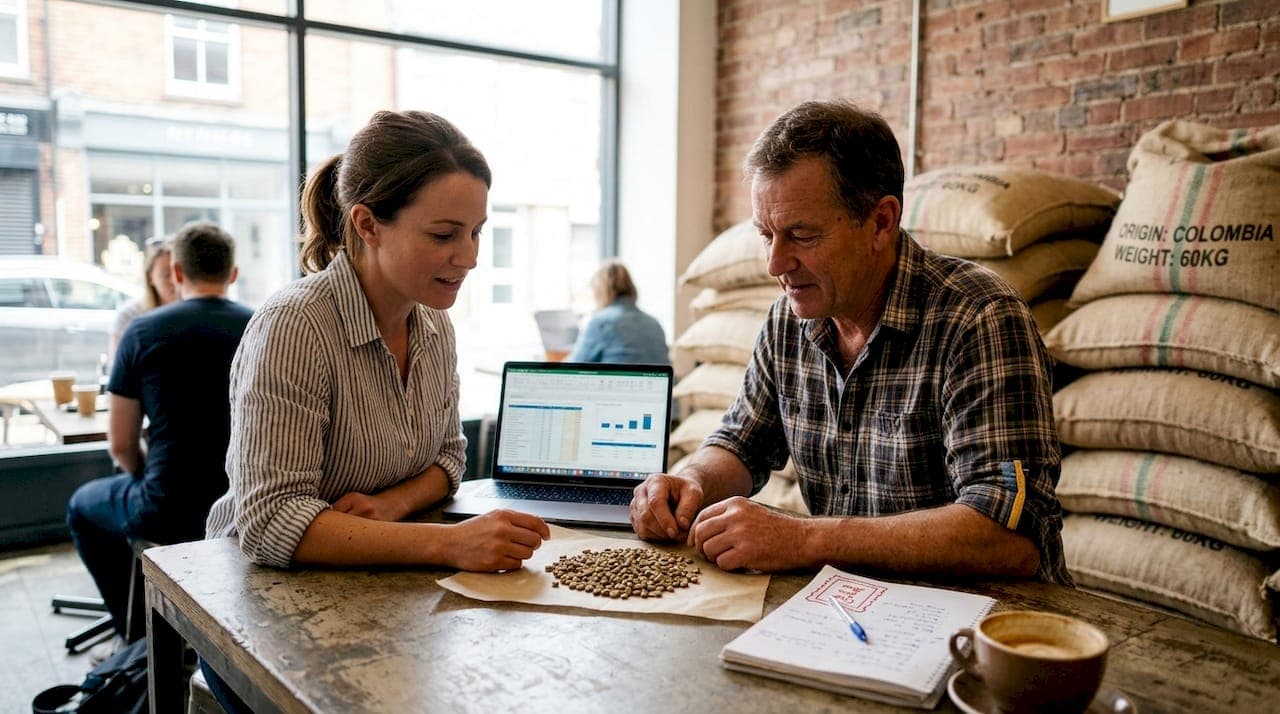
Impact coffee buying is a sourcing approach where buyers actively build direct, supportive relationships with producers rather than simply ticking certification boxes. It's a shift in mindset from compliance to genuine accountability.
At its core, impact coffee mechanics include direct relationships with producers, paying above-market FOB (free on board) prices, long-term contracts for stability, and verification through certifications like Fairtrade, Organic, or Regenified. FOB price simply means the price paid at the point of export, before shipping costs. When buyers pay above the FOB market rate, more money stays with the farmer.
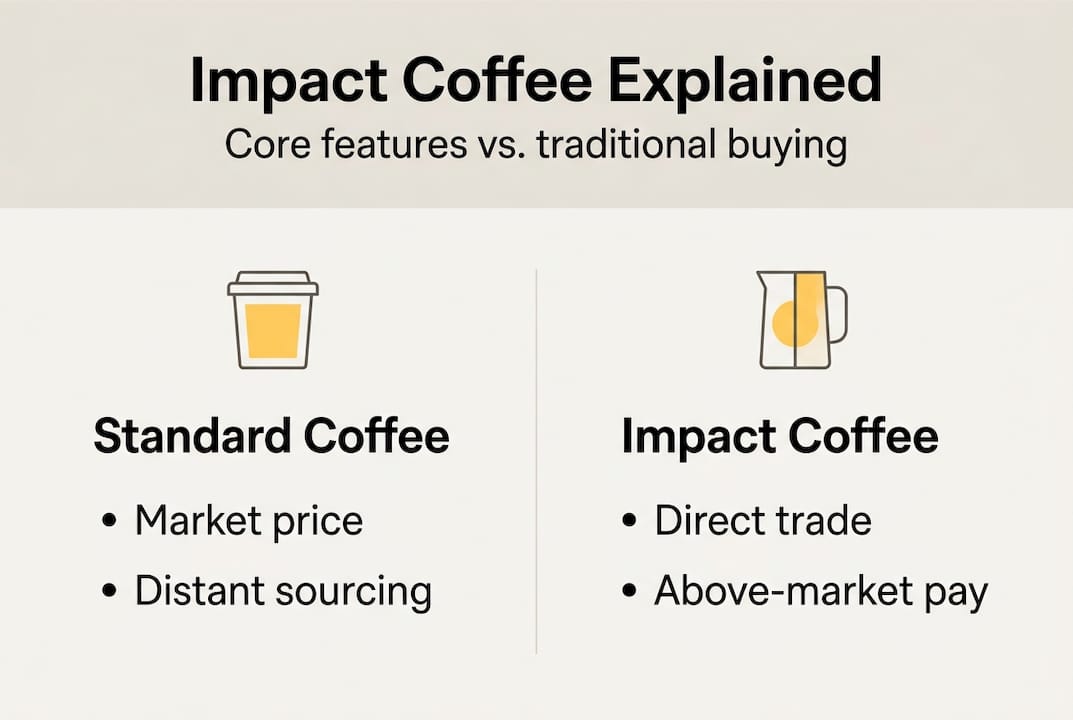
Certifications like Fairtrade are a foundation, not a finish line. They set minimum standards, but impact coffee goes further by measuring outcomes: soil health improvements, mental health support programmes, community infrastructure projects, and livelihood data tracked year on year.
Key mechanisms of impact coffee buying:
- Direct producer partnerships with named farms or cooperatives
- Above-market FOB pricing that reflects true cost of sustainable production
- Multi-year contracts providing financial security for farmers
- Third-party certifications as a baseline, not the whole story
- Published impact reports with measurable KPIs
- Community and mental health project funding built into the supply chain
The scale of consumer interest in this space is striking. The UK impact economy is valued at £428bn, representing 15% of GDP in 2026, with the organic coffee market projected to grow substantially alongside it. These aren't niche numbers. This is mainstream consumer behaviour shifting toward purpose-led purchasing.
| Feature | Standard coffee | Impact coffee |
|---|---|---|
| Pricing | Market rate | Above-market FOB |
| Relationships | Transactional | Long-term, direct |
| Reporting | Minimal | Published impact reports |
| Community support | Rare | Built into model |
| Mental health focus | None | Often central |
For a deeper look at how these numbers translate into real UK consumer behaviour, the UK coffee impact statistics paint a compelling picture of where the market is heading.
With the basics established, let's explore how real impact is achieved and measured.
How does impact coffee buying create real change?
Knowing the definition is one thing. Seeing the outcomes is another entirely.
Impact coffee initiatives have produced tangible results in producer communities: improved livelihoods, better nutrition, and access to mental health programmes that would otherwise be unavailable. The shift from compliance to measurable outcomes like soil health and community projects is what separates genuine impact from marketing language.
Here's how real change typically unfolds:
- A roaster establishes a direct relationship with a cooperative, visiting the farm and agreeing on a multi-year contract.
- Premiums above market rate are paid and documented, with the percentage above market published openly.
- A portion of revenue is ringfenced for community projects, which might include mental health first aid training, counselling access, or local support groups.
- Annual impact reports are published, showing exactly where money went and what changed.
- Feedback loops between roaster and producer allow support to adapt based on what communities actually need.
Some roasters prefer holistic direct relationships over certifications for better farmer support, though critics rightly warn about vague claims when KPIs aren't published. That tension is healthy. It pushes the industry toward greater rigour.
"Real impact isn't a label on a bag. It's a relationship, a report, and a result you can point to."
In the UK, several roasters have begun supporting mental health projects as a core part of their business model, not as a one-off campaign. This is particularly meaningful in the context of men's mental health, where stigma still prevents many from seeking support. When a coffee purchase directly funds a helpline or a community drop-in session, the connection between consumer and cause becomes real.
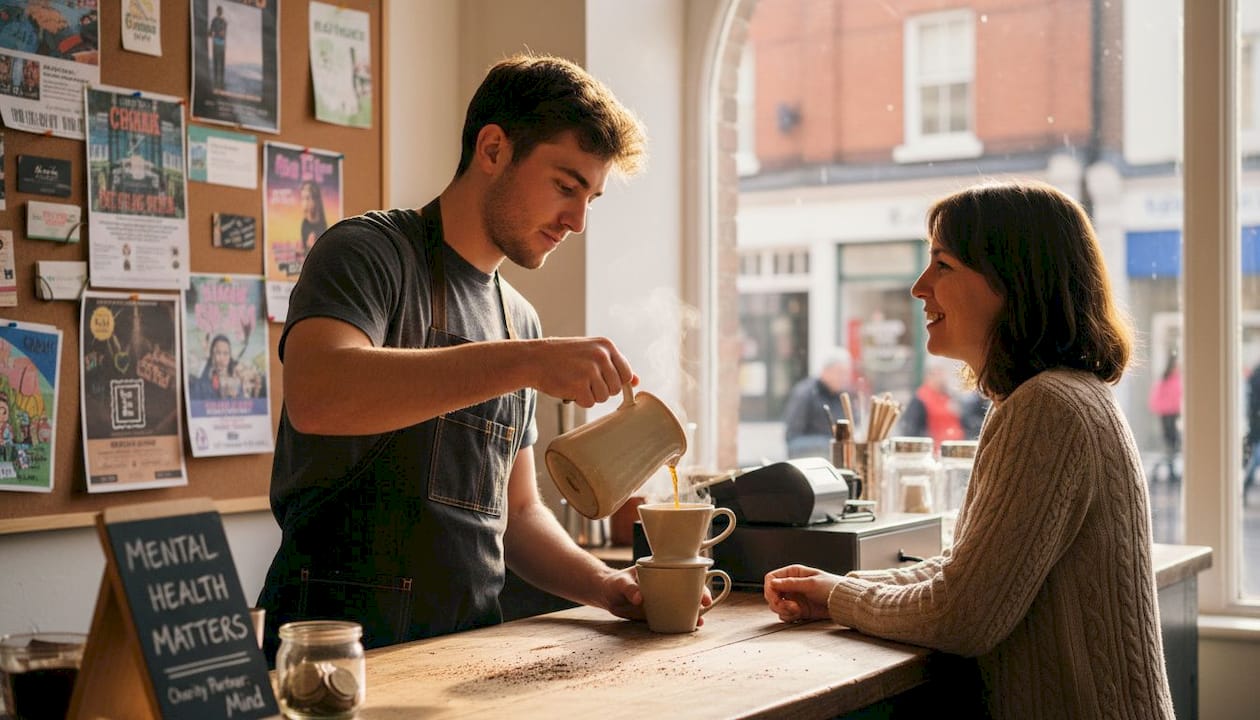
Community impact initiatives in cafes and roasteries are also proving that the shop floor can be a place of genuine connection, not just commerce.
| Approach | Outcome focus | Mental health link | Transparency |
|---|---|---|---|
| Certification only | Compliance | Rare | Low |
| Direct trade | Livelihood | Occasional | Medium |
| Impact model | Community wellbeing | Central | High |
Understanding 'impact' is one thing, but how do we know which buying habits create these results?
How to identify authentic impact coffee
When you're ready to buy, knowing what to look for ensures your money supports true progress.
Transparency is the single most reliable indicator. Roasters with transparent supply chains, producer visits, and measurable KPIs are the ones worth trusting. Ask about FOB prices, impact reports, and long-term commitments. If a brand can't answer those questions clearly, that tells you something important.
What to look for in an authentic impact coffee brand:
- Published FOB prices or percentage above market paid to producers
- Named farm or cooperative partnerships, not anonymous supply chains
- Annual or quarterly impact reports with specific data
- Partnerships with registered charities or mental health foundations
- Evidence of multi-year contracts rather than one-off purchases
- Staff trained in mental health barista programmes or community engagement
Certifications still matter. Fairtrade, Organic, and Regenified all carry weight. But treat them as a starting point for your research, not a conclusion. A brand can hold every certification available and still fall short of genuine impact if there's no follow-through in the community.
Pro Tip: Search for a brand's impact report before you buy. If they don't publish one, ask directly. A genuinely impact-focused roaster will welcome the question.
Red flags to avoid:
- Vague language like "we support farmers" with no specifics
- One-off charity donations with no ongoing commitment
- No named producer relationships or farm-level data
- Claims of impact without any third-party verification
- Lack of community engagement ideas or local partnerships
The difference between a brand that talks about impact and one that delivers it is almost always found in the details. Specificity is credibility.
How your cup supports mental health and community initiatives
Armed with this knowledge, here's how you can act and make your coffee ritual a source of positive change.
Every pound spent on authentic impact coffee has the potential to fund direct community and mental health projects, often in partnership with UK charities. The UK impact economy at £428bn shows that consumers are already voting with their wallets. The question is whether those votes are landing in the right place.
Here's how your everyday choices ripple outward:
- Choose roasters with verified mental health partnerships. Look for brands working directly with UK mental health foundations, not just making vague pledges.
- Subscribe rather than buy once. Ongoing subscriptions create the financial predictability that allows roasters to maintain long-term producer contracts and community programmes.
- Share what you're buying and why. Talking about impact coffee normalises the conversation around ethical purchasing and mental health, particularly for men who may not otherwise engage with these topics.
- Look for London mental health cafe initiatives and local equivalents. Physical spaces where coffee and community intersect are powerful places for change.
- Support charity coffee campaigns that tie purchases to specific outcomes. When you can see exactly what your money funds, the act of buying becomes genuinely meaningful.
Pro Tip: Look for brands that publish the name of the mental health charity they partner with, along with the amount donated per bag sold. That level of specificity is a strong sign of genuine commitment.
The growth of charity coffee sales in the UK is accelerating, and the social impact is measurable. Employability programmes, mental health first aid training, and local support groups are all being funded through coffee purchases made by people just like you.
Why transparency and measurable outcomes matter in ethical coffee buying
Here's our honest take: the ethical coffee space has a language problem. Words like 'sustainable', 'conscious', and 'responsible' have been stretched so far that they've lost meaning for many shoppers. We've seen it ourselves.
The real differentiator isn't a certification. It's a number. Impact claims without KPIs like premium percentage above market or years of partnership are, at best, incomplete. At worst, they're misleading. Mental health support is a particularly useful test case here. It's easy to say you support mental health. It's harder to publish the name of your charity partner, the amount donated per unit sold, and the outcomes achieved.
The UK roasters doing this well share one trait: they treat transparency as a competitive advantage, not a burden. They know that conscious consumers will do their research, and they welcome it. That's the standard we hold ourselves to at Cup for Bro, and it's the standard worth demanding from every brand you buy from. Explore real-world coffee impact to see what genuine accountability looks like in practice.
Take meaningful action with impact coffee
You now know what impact coffee buying actually means, and you know how to spot the brands that are genuinely delivering on that promise.
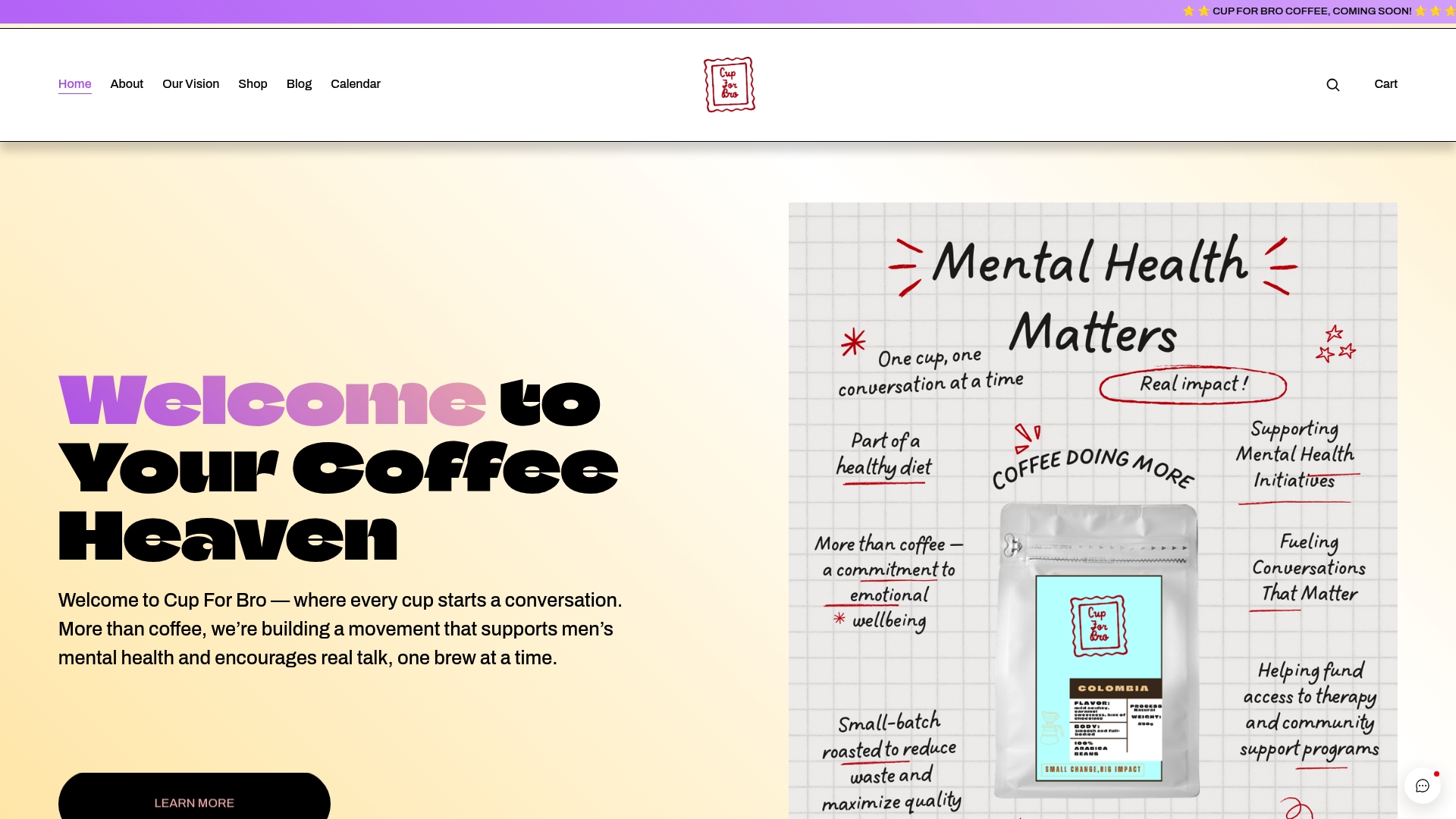
At Cup for Bro, every bag of coffee we sell is tied directly to men's mental health initiatives, in partnership with some of the UK's leading mental health foundations. We publish our partnerships, we're transparent about where money goes, and we're committed for the long term, not just a seasonal campaign. When you shop impact coffee with us, you're not just buying beans. You're funding real support for real people. To understand the full picture of what we do and why, visit Cup for Bro's impact page and see the difference a cup can make.
Frequently asked questions
What makes impact coffee different from Fairtrade or organic coffee?
Impact coffee is defined by direct long-term support and measurable outcomes, going well beyond what certifications like Fairtrade or Organic require. Certifications set a floor; impact coffee aims far higher.
How does buying impact coffee support mental health initiatives?
Many impact coffee sales directly fund mental health projects in both producing and consuming countries. Impact coffee and mental health are increasingly linked through named charity partnerships and ringfenced revenue.
Is the UK's ethical coffee market actually making a difference?
Yes. The UK impact economy at £428bn represents 15% of GDP in 2026, with coffee a significant driver of ethical and social project funding across the country.
How can I check if a coffee brand is truly making an impact?
Ask for specifics: FOB price transparency, impact reports, and evidence of ongoing partnerships focused on real outcomes. Vague language is a red flag; specific data is a green light.
Recommended
- Coffee with a cause explained: How your cup supports mental health
- Why coffee culture matters: community, wellbeing, connection
- What is sustainability in cafes: a UK owner's guide
- Coffee — Shop | Browse Exclusive Cups Today — Cup For Bro .
- Sustainable Coffee Wholesale | Eco Friendly Supplier | Devon Somerse
- Why buy local roasted coffee: fresh flavor and ethics – Adira Coffee US