
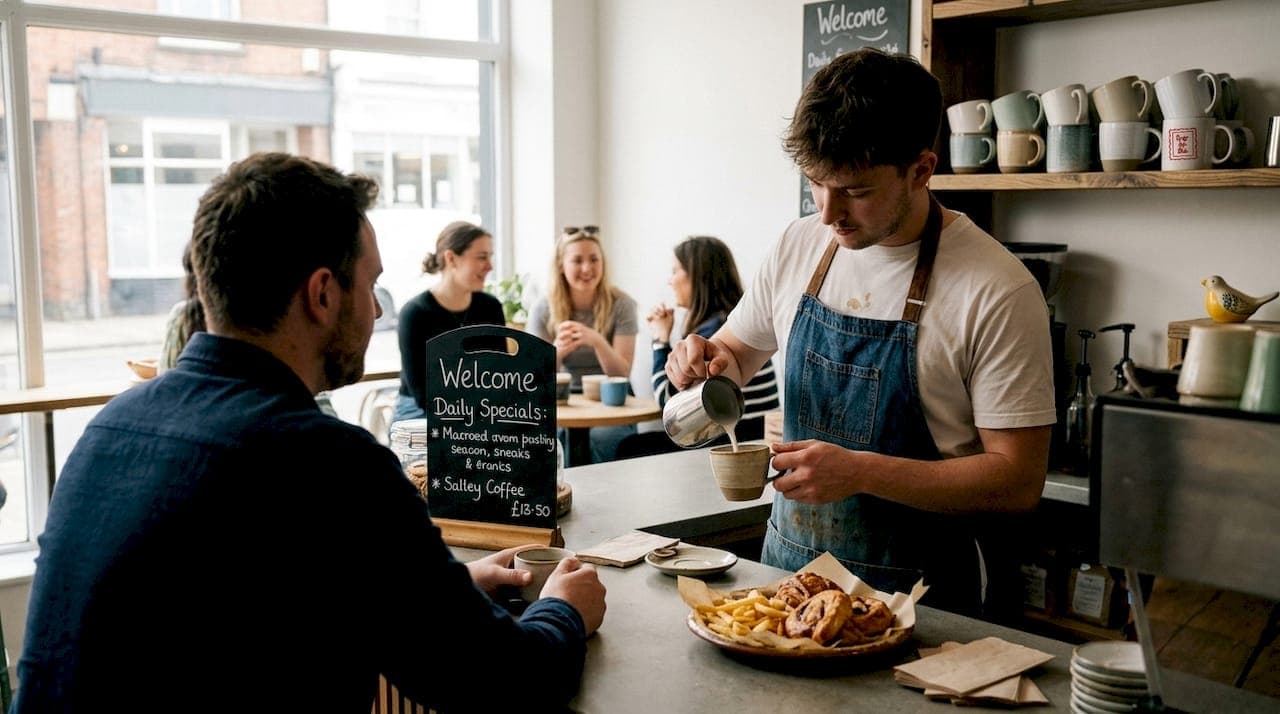
Baristas occupy a unique position in UK communities, serving as informal mental health ambassadors who reduce loneliness and foster connection. With 1 in 4 UK adults experiencing loneliness, coffee shops have become vital third places where social bonds form naturally. This guide explores how baristas can support mental wellbeing practically and safely, transforming daily interactions into meaningful community support whilst maintaining professional boundaries and personal resilience.
Table of Contents
- Key Takeaways
- How baristas create community and reduce loneliness
- Baristas as mental health ambassadors and campaign supporters
- Skills, challenges and best practices for baristas in mental health support
- Practical ways baristas can foster wellbeing in their communities
- Support your mental health journey with Cup For Bro
- Frequently asked questions
Key Takeaways
| Point | Details |
|---|---|
| Baristas foster connection | Baristas act as informal mental health ambassadors by creating regular interactions that reduce loneliness and build social bonds within their communities. |
| Safe disclosure management | With proper training and clear boundaries, baristas can handle disclosures sensitively while protecting their own wellbeing. |
| Third spaces for support | Coffee shops become informal safe spaces where people feel welcome to talk and access social support and information about local resources. |
| Community events boost wellbeing | Baristas organise reading groups, workshops and open mic nights that bring isolated individuals together and translate social contact into measurable community wellbeing improvements. |
How baristas create community and reduce loneliness
Coffee shops function as essential third places, spaces distinct from home and work where people gather informally and build social connections. Baristas in UK coffee shops act as facilitators of social connection, reducing loneliness by fostering community interactions through consistent presence and genuine engagement. These environments become particularly vital as traditional community spaces decline, leaving coffee shops as accessible hubs where people feel safe to linger and connect.
The scale of loneliness in the UK makes this role crucial. Official statistics show 1 in 4 UK adults experience loneliness, with younger adults and those living alone particularly vulnerable. Baristas combat this isolation by remembering regular customers' names and preferences, initiating friendly conversations, and creating atmospheres where strangers feel comfortable striking up dialogue. These small gestures accumulate into significant mental health benefits, providing daily touchpoints of human connection that many people otherwise lack.
Successful baristas cultivate belonging through intentional community building beyond serving coffee. Many host reading groups, craft workshops, or open mic nights that give isolated individuals reasons to leave home and engage with others. You can explore more community wellbeing insights to understand how these initiatives translate into measurable improvements in local mental health outcomes. The physical space matters too, with comfortable seating arrangements, welcoming decor, and accessible layouts encouraging people to stay and interact rather than grab and go.
"Coffee shops have become modern day community centres where baristas serve as the social glue holding diverse groups together through shared rituals and genuine care."
These interactions benefit not just customers but entire neighbourhoods. When coffee shops become gathering places, they strengthen social cohesion and create networks of mutual support. Regular patrons often form friendships, organise community initiatives, and look out for vulnerable members. Baristas facilitate these connections by introducing like minded individuals, sharing information about local events, and maintaining spaces where everyone feels valued regardless of background or circumstance.
Key ways baristas reduce loneliness include:
- Remembering regular customers and their preferences to create personalised experiences
- Initiating warm conversations that make people feel seen and valued
- Hosting community events that bring isolated individuals together
- Creating welcoming physical environments that encourage lingering and interaction
- Connecting customers with similar interests to facilitate organic friendships
Baristas as mental health ambassadors and campaign supporters
Many UK baristas actively participate in structured mental health campaigns, transforming their professional roles into platforms for awareness and fundraising. UK coffee shops and baristas participate in mental health campaigns by distributing resources and donating proceeds, with initiatives like Coffee for Molly demonstrating how collective action generates substantial support for local charities. These campaigns typically involve coffee shops pledging portions of sales during specific periods, with baristas explaining the cause to customers and encouraging participation.
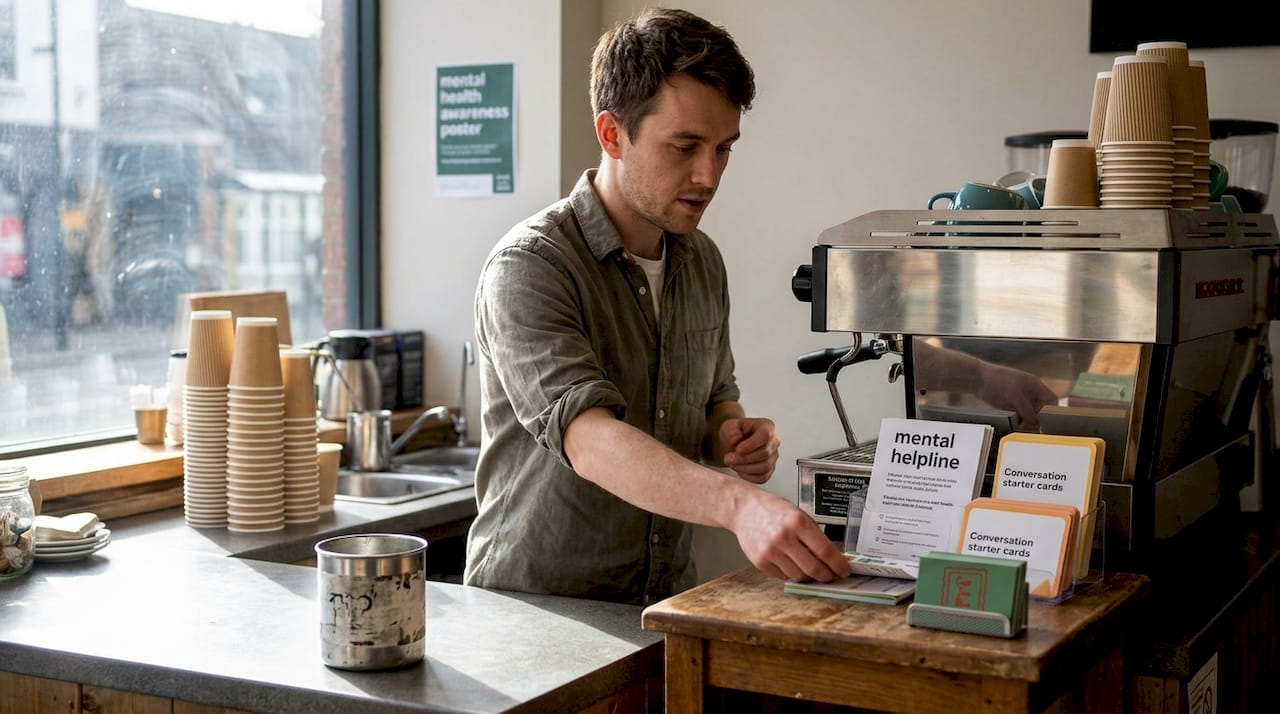
Resource distribution forms another crucial ambassador function. Baristas display conversation starter cards, mental health helpline information, and signposting leaflets prominently in shops, making support accessible without requiring customers to ask directly. This passive availability reduces stigma, allowing people to discreetly pocket information they need. Some shops create dedicated mental health corners with curated resources, books, and contact details for local services, positioning baristas as knowledgeable connectors rather than counsellors.
Normalising mental health dialogue represents perhaps the most significant contribution. When baristas openly discuss mental health, share personal experiences appropriately, or simply acknowledge difficult emotions without judgement, they create permission for customers to do likewise. This cultural shift transforms coffee shops into spaces where vulnerability feels safe rather than shameful. You can discover more about mental health campaigns in coffee shops and how these efforts ripple through communities.
Fundraising through sales initiatives provides tangible financial support for mental health services. Coffee shops donate proceeds from specific drinks, host charity bake sales, or auction donated items with baristas driving participation through enthusiastic promotion. These efforts generate thousands of pounds annually for organisations providing counselling, crisis intervention, and prevention programmes. The visibility of these campaigns also raises awareness among customers who might not otherwise engage with mental health issues.
Campaign participation benefits include:
- Generating funding for local mental health charities through sales donations
- Distributing conversation starters and help cards to customers discreetly
- Normalising mental health discussions through open dialogue
- Creating visible demonstrations of community care and solidarity
- Connecting customers with professional support services through signposting
Skills, challenges and best practices for baristas in mental health support
Effective mental health support from baristas relies on specific interpersonal skills rather than formal training. Baristas support mental health via active listening and signposting, but must respect boundaries to avoid burnout and overstepping professional limits. Active listening involves giving full attention, reflecting emotions, and validating experiences without offering solutions or advice. This skill alone provides immense comfort to people feeling unheard or isolated, creating space for them to process difficulties aloud.
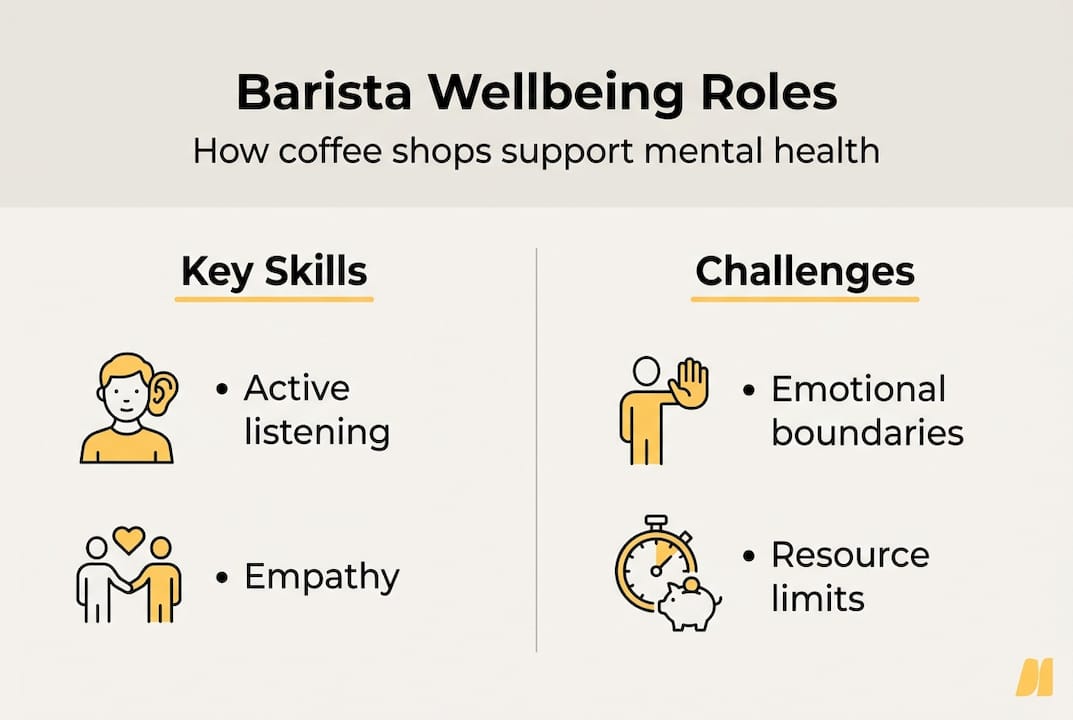
Signposting represents another essential skill, directing people towards appropriate professional support without attempting to counsel them directly. Effective signposting requires familiarity with local mental health services, crisis helplines, and community resources. Baristas learn to recognise when conversations exceed their capacity and gently suggest professional help whilst maintaining the supportive relationship. This boundary protects both parties, ensuring customers receive proper care whilst baristas avoid inappropriate responsibility.
Challenges arise when customers make unexpected mental health disclosures or when baristas feel pressure to solve problems beyond their capability. Without clear protocols, these situations create stress and potential harm. Baristas may experience secondary trauma from repeated exposure to others' distress, leading to compassion fatigue and burnout. The emotional labour of maintaining cheerful professionalism whilst absorbing difficult stories takes significant toll without adequate support structures.
Pro tip: Develop a simple protocol for mental health disclosures: listen without judgement, acknowledge the person's courage in sharing, offer signposting information to professional services, and debrief with colleagues or managers afterwards to process your own emotional response.
Best practices for sustainable mental health support include:
- Maintain clear boundaries between friendly support and professional counselling
- Seek mental health awareness training through employers or organisations like Mental Health First Aid England
- Recognise personal limits and avoid taking responsibility for customers' wellbeing
- Establish workplace protocols for handling disclosures and concerning situations
- Prioritise self care and debrief regularly with colleagues about emotional impacts
- Focus on signposting rather than advice giving to ensure customers access appropriate help
You can explore mental health best practices to understand how organisations support baristas in these enhanced roles. The following table illustrates how barista responsibilities expand when incorporating mental health support:
| Aspect | Traditional barista role | Enhanced mental health support role |
|---|---|---|
| Customer interaction | Efficient service focused | Relationship building focused |
| Conversation depth | Transactional exchanges | Meaningful dialogue when appropriate |
| Knowledge requirements | Coffee and menu expertise | Local mental health resources awareness |
| Emotional labour | Pleasant demeanour | Active listening and empathy |
| Boundaries | Professional service | Clear limits on support scope |
| Training needs | Barista skills only | Mental health awareness training |
Practical ways baristas can foster wellbeing in their communities
Daily actions create the foundation for effective mental health support in coffee shop environments. Simple practices like greeting every customer warmly, making eye contact, and offering genuine smiles establish baseline emotional safety. Coffee shops serve as informal safe spaces for mental health discussions, with baristas enabling disclosures through welcoming interactions that signal openness without pressure. These micro moments accumulate into an atmosphere where people instinctively feel comfortable being themselves.
Facilitating community groups transforms coffee shops from commercial spaces into wellbeing hubs. Baristas can initiate regular meetups for specific interests, from book clubs to craft sessions, providing structure that helps isolated individuals commit to attendance. Advertising these groups through social media and in shop signage attracts participants who might not otherwise engage. The barista's role involves light facilitation, introducing newcomers, and ensuring inclusive dynamics without dominating the social space.
Resource sharing extends beyond displaying leaflets to actively connecting customers with support. When someone mentions struggling, baristas can offer specific helpline numbers, recommend local counselling services, or suggest community groups addressing their concerns. Keeping updated information readily accessible ensures you can respond helpfully in the moment. Some baristas maintain personal knowledge of services through relationships with local mental health organisations, becoming trusted information sources for their communities.
Pro tip: Create visible welcoming cues like rainbow flags, mental health awareness posters, or signs stating "This is a safe space to talk" to signal openness. Keep conversation starter cards near the till and mention them naturally when appropriate, reducing awkwardness around accessing support information.
Balancing wellbeing support with self care ensures sustainability. Baristas cannot pour from empty cups, making personal mental health maintenance essential. Regular breaks, boundaries around emotional labour, and access to employee support programmes protect against burnout. You can discover daily mental health rituals that help maintain resilience whilst supporting others.
Practical wellbeing strategies include:
- Practise active listening by giving full attention and reflecting emotions back
- Facilitate community groups like reading circles or craft sessions regularly
- Share mental health resources proactively through displays and conversations
- Create welcoming environment cues with inclusive signage and comfortable spaces
- Maintain personal boundaries and self care routines to prevent burnout
- Connect with local mental health organisations to stay informed about services
The following table summarises common mental health support activities with their typical impact and ease of implementation:
| Activity | Mental health impact | Ease of adoption | Time commitment |
|---|---|---|---|
| Active listening | High - reduces isolation | Easy - requires practice | Ongoing daily |
| Resource displays | Medium - increases awareness | Very easy - one time setup | Minimal maintenance |
| Community groups | High - builds lasting connections | Moderate - needs coordination | Weekly commitment |
| Campaign participation | Medium - raises funds and awareness | Easy - follow existing frameworks | Event based |
| Signposting services | High - connects people to professional help | Moderate - requires local knowledge | As needed |
| Welcoming space design | Medium - creates psychological safety | Easy - simple environmental changes | One time effort |
Baristas with psychology backgrounds or formal mental health training can enhance support quality significantly, though such qualifications remain uncommon in the profession. These individuals bring deeper understanding of mental health conditions, crisis recognition skills, and evidence based communication techniques. However, the core contribution of baristas lies not in expertise but in consistent human connection and community facilitation that professional services cannot replicate.
Support your mental health journey with Cup For Bro
Your commitment to mental health awareness deserves support from brands sharing your values. Cup For Bro partners with leading UK mental health foundations, selling exclusive coffee blends that fund vital support programmes and services. Every purchase contributes to community wellbeing initiatives, making your daily coffee ritual an act of meaningful support. Our approach aligns perfectly with baristas who see their role extending beyond service into genuine community care.
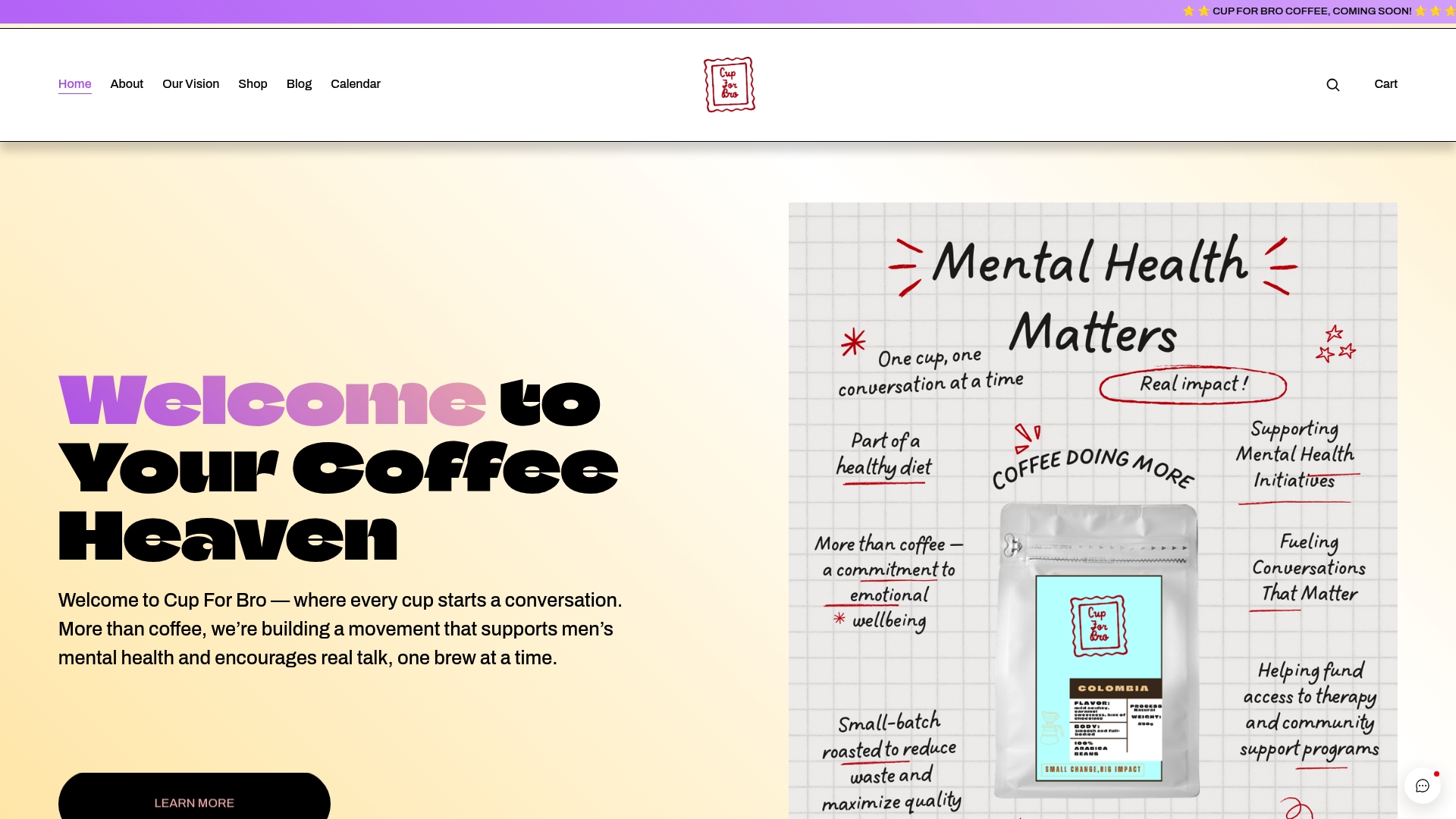
We design products that inspire conversations and connection, from specialty coffee blends to coffee club aprons that signal your commitment to mental health awareness. These tools help create the welcoming environments where authentic dialogue flourishes naturally. Explore Cup For Bro's vision and impact to discover how our giving-focused business model supports the mental health work you already do daily. Together, we can strengthen communities one conversation and one cup at a time.
Frequently asked questions
Can baristas with no mental health training support customers effectively?
Yes, baristas support mental health effectively through active listening, creating welcoming environments, and signposting to professional services without needing formal qualifications. The key lies in recognising limits and focusing on human connection rather than counselling. Training enhances effectiveness but isn't prerequisite for making positive impact through genuine care and appropriate resource sharing.
How can baristas handle sensitive disclosures without burnout?
Establish clear protocols for mental health disclosures, including listening without judgement, acknowledging courage, and signposting to professionals rather than problem solving. Debrief with colleagues or managers after difficult conversations to process emotional impacts. Prioritise self care through regular breaks, personal boundaries, and access to employee support programmes that protect against compassion fatigue.
What resources can baristas share to support mental health?
Distribute conversation starter cards, mental health helpline information, and signposting leaflets from campaigns like Coffee for Molly prominently in shops. Maintain updated knowledge of local counselling services, crisis support numbers, and community mental health organisations. Create dedicated resource corners with books, contact details, and awareness materials that customers can access discreetly without requesting help directly.
Are UK coffee shops recognised as safe spaces for mental health?
Yes, UK coffee shops increasingly function as vital third places supporting social and mental wellbeing through informal community connection. Research and campaigns recognise their role in reducing loneliness and facilitating mental health conversations. This recognition grows as traditional community spaces decline, positioning coffee shops and their baristas as essential infrastructure for public mental health support and social cohesion.
Recommended
- Blog | Discover Insights - Take Action Today — Cup For Bro .
- Mental Health, Coffee, and Community: How Small Daily Rituals Support Real Well-Being — Cup For Bro .
- Our Vision | Start Conversations, Make Impact — Cup For Bro .
- One Cup, One Conversation: How Small Actions Spark Big Change — Cup For Bro .