

Picture two UK cafes side by side, both serving similar menus and customer numbers. One emits three times more greenhouse gases than the other. The difference isn't size or location, it's how they source ingredients, manage waste, and choose suppliers. Sustainability in cafes often feels overwhelming or vague, but it boils down to practical choices that reduce environmental harm whilst supporting community wellbeing. This guide clarifies what sustainability actually means for UK cafe owners and managers, focusing on actionable steps that lower emissions, protect mental health through community connection, and avoid common greenwashing traps.
Table of Contents
- Key Takeaways
- Understanding sustainability in cafes: what it really means
- Reducing environmental impact in practical ways
- Balancing sustainability with nutrition and mental health
- How to start small and scale your sustainability efforts
- Sustainability products and support from Cup For Bro
- Frequently asked questions
Key Takeaways
| Point | Details |
|---|---|
| Responsible sourcing | Choose suppliers with transparent environmental practices and verify claims rather than relying on marketing. |
| Local seasonal sourcing | Prioritise local farms and British produce to shorten the supply chain and reduce transport related emissions. |
| Plant based emphasis | Move the menu towards plant based options while maintaining choice and nutrition. |
| Measure baseline emissions | Record current emissions intensity in kilograms of CO2e per £10,000 revenue to identify priority areas. |
Understanding sustainability in cafes: what it really means
Sustainability in cafes isn't a single action or certification. It's a continuous process of reducing harm across three emission categories that shape your environmental footprint. Scope 1 emissions come directly from your operations, like gas used in cooking equipment or fuel for delivery vehicles you own. Scope 2 covers electricity you purchase to power lights, refrigeration, and coffee machines. Scope 3, often overlooked, includes everything in your supply chain: the coffee beans shipped from overseas, milk transported from farms, packaging materials, and even employee commutes.
Here's what matters most: purchased goods dominate emissions.pdf) at 84% for typical UK cafes. Your ingredient choices create far more impact than your energy bills. A cafe serving predominantly dairy-based drinks and imported ingredients will carry a vastly different carbon footprint than one prioritising plant-based alternatives and local suppliers. This reality shifts where you should focus effort.
Responsible sourcing forms the foundation. Choose suppliers who demonstrate transparent environmental practices, favour seasonal British produce when possible, and verify sustainability claims rather than accepting marketing language. Waste minimisation follows closely: every kilo of food scraps sent to landfill generates methane, a greenhouse gas 25 times more potent than carbon dioxide. Energy efficiency matters too, though it accounts for a smaller percentage than many assume.
Pro tip: Measure your current emissions intensity in kilograms of CO2 equivalent per £10,000 revenue before making changes. This baseline reveals which areas deserve immediate attention and prevents wasting resources on low-impact modifications that feel good but achieve little.
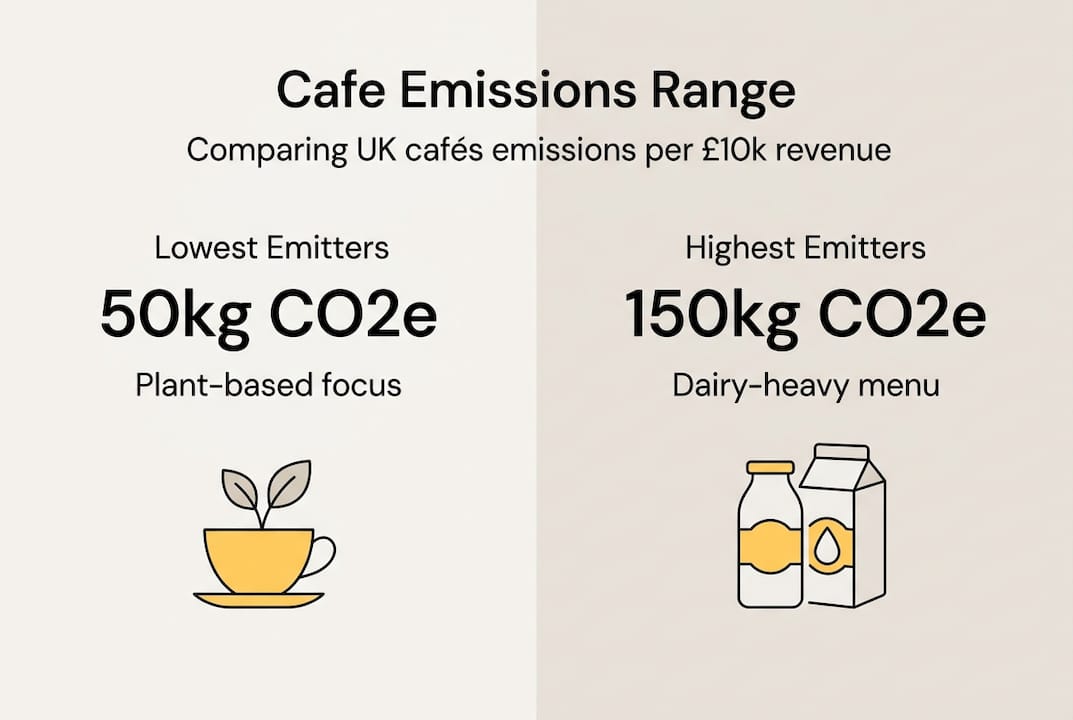
Research comparing UK cafes found emission variations spanning 300%. The lowest performers achieved around 50kg CO2e per £10k revenue whilst others exceeded 150kg for similar operations. These differences stem almost entirely from supply chain decisions and waste handling, not cafe size or customer volume. Understanding this empowers you to target the practices that actually move the needle rather than symbolic gestures that look sustainable but change nothing.
Visit our sustainability insights blog for ongoing guidance on measuring and reducing your cafe's environmental impact through evidence-based approaches.
Reducing environmental impact in practical ways
Translating sustainability principles into daily operations requires specific steps. Start with ingredient sourcing, where your largest emissions hide. Follow this sequence:
- Audit current suppliers to identify emission-intensive items like imported produce, conventional dairy, and air-freighted ingredients
- Replace high-impact ingredients with lower alternatives where quality and nutrition remain comparable
- Establish relationships with local farms and producers to shorten supply chains
- Shift menu emphasis towards plant-based options whilst maintaining choice
- Communicate changes to customers with transparent explanations of environmental benefits
The carbon footprint differences between common cafe ingredients surprise many owners:
| Item | Carbon footprint (kg CO2e) | Impact comparison |
|---|---|---|
| Dairy milk (1 litre) | 3.2 | Baseline |
| Oat milk (1 litre) | 0.9 | 72% lower |
| Soy milk (1 litre) | 1.0 | 69% lower |
| Almond milk (1 litre) | 0.7 | 78% lower |
| Reusable cup | 0.02 per use | 95% lower than disposable |
| Compostable cup | 0.06 | 85% lower than standard disposable |
| Standard takeaway cup | 0.4 | Baseline for single use |
These benchmarks demonstrate why dairy alternatives and reusable systems dramatically reduce emissions. A cafe serving 200 coffees daily could cut 160kg CO2e weekly just by encouraging reusable cups and offering plant-based milk as default.
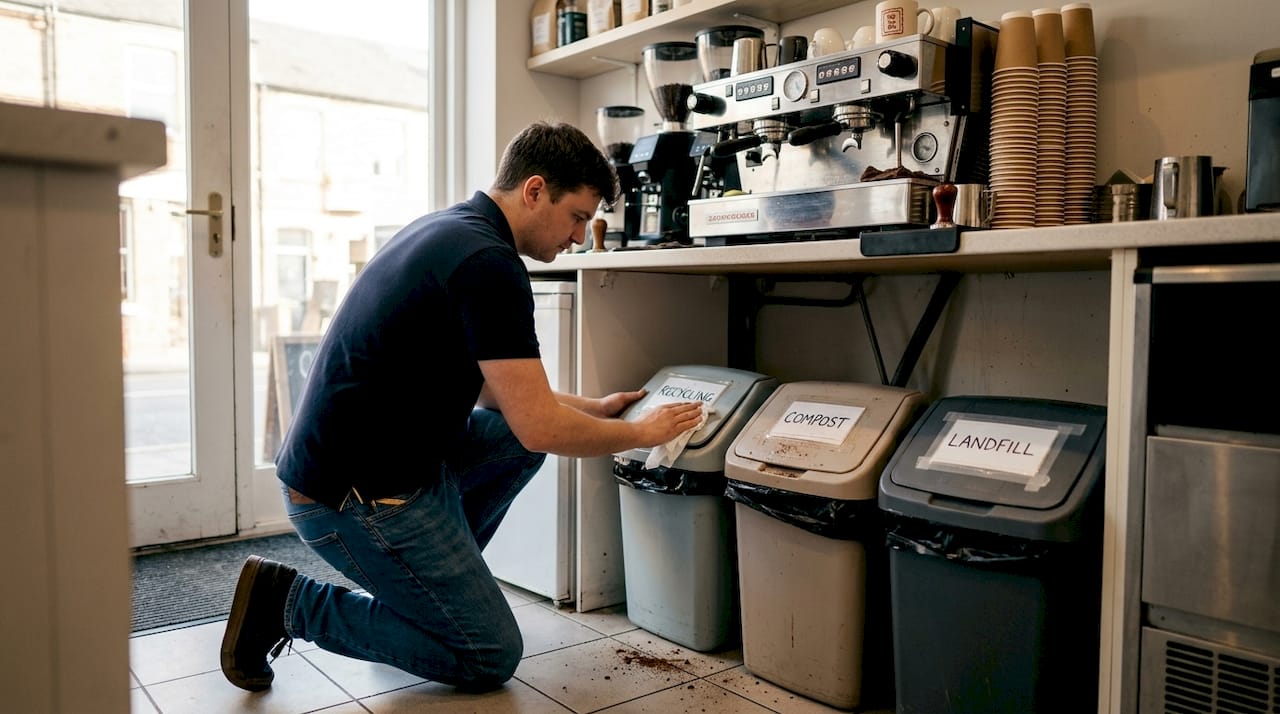
Waste management deserves equal attention. The impact difference between disposal methods is staggering: landfill waste creates 79 times more environmental harm than composting the same material. Set up separate bins for food waste, recyclables, and true rubbish. Partner with commercial composting services if on-site composting isn't feasible. Train staff to sort waste correctly, as contaminated recycling often ends in landfill anyway.
Energy efficiency offers straightforward wins. UK cafe energy use averages 150-200 kWh per square metre annually. Reduce this through LED lighting, properly maintained refrigeration with tight door seals, and equipment timers that prevent unnecessary operation during closed hours. Insulate hot water systems and consider heat recovery from espresso machines, which constantly generate waste heat.
Pro tip: Prioritise the changes delivering the biggest emission reductions first. Switching to plant-based default milk and establishing composting will achieve more than installing solar panels or buying carbon offsets, which often mask ongoing high emissions rather than addressing root causes. Maintain team morale by celebrating measurable progress rather than pursuing perfection.
Explore sustainable packaging benefits to understand how material choices affect both environmental impact and customer perception. Our purpose-driven brand support shows how aligning operations with values strengthens community connection.
Balancing sustainability with nutrition and mental health
Shifting towards lower-emission foods creates a nutritional consideration many cafe owners miss. Plant-based alternatives reduce calories.pdf) and certain nutrients compared to dairy and meat products. Customers relying on your cafe for regular meals might experience gaps in iron, calcium, vitamin B12, and complete proteins if menus swing entirely plant-based without thoughtful planning.
Address this through balanced menu design. Offer fortified plant milks with added calcium and B12. Include legume-based dishes that provide iron and protein. Feature whole grains, nuts, and seeds to boost nutrient density. Clearly label nutritional information so customers can make informed choices rather than assuming all plant-based options automatically support health.
The mental health dimension of sustainable cafes extends beyond individual nutrition. Cafes function as community spaces where social connection happens naturally, combating isolation that damages mental wellbeing. Sustainable practices that engage customers and staff in shared purpose strengthen these connections. Consider these approaches:
- Host community events focused on sustainability topics, creating conversation opportunities between regulars
- Design seating arrangements that encourage interaction rather than isolation
- Create visible sustainability measures like ingredient sourcing boards that educate whilst building trust
- Involve staff in sustainability decisions to increase engagement and ownership
- Partner with local mental health organisations for awareness events that normalise conversations
- Establish quiet hours or mindful spaces for customers seeking calm environments
Research emphasises avoiding greenwashing, which erodes trust and undermines genuine sustainability efforts. Customers increasingly recognise when businesses exaggerate environmental claims or purchase carbon offsets whilst maintaining high-emission operations. Focus on authentic local action: reducing actual emissions through supply chain changes, waste reduction, and energy efficiency rather than symbolic gestures or questionable offset schemes.
The connection between mental health and coffee community runs deeper than many realise. Cafes that prioritise sustainability often cultivate stronger community bonds because shared values create belonging. When customers see their cafe actively reducing harm and supporting local initiatives, they feel part of something meaningful beyond a transaction.
Sustainability becomes a mental health intervention when it fosters connection, purpose, and hope rather than guilt or overwhelm. Frame your efforts around positive impact and community benefit rather than catastrophising environmental problems. This approach maintains motivation whilst building the social fabric that protects mental wellbeing.
How to start small and scale your sustainability efforts
Beginning sustainability work without becoming overwhelmed requires strategic focus. Use emissions intensity benchmarks to identify where your cafe sits and which areas deserve immediate attention. Starting small prevents overwhelm.pdf) and builds momentum through visible wins that encourage further progress.
Compare your performance against UK cafe benchmarks:
| Cafe type | Emissions intensity (kg CO2e per £10k revenue) | Primary emission sources |
|---|---|---|
| Small independent (best practice) | 45-60 | Purchased goods 75%, energy 15%, waste 10% |
| Small independent (typical) | 90-120 | Purchased goods 84%, energy 12%, waste 4% |
| Chain cafe (Costa, Starbucks) | 130-180 | Purchased goods 86%, energy 10%, waste 4% |
| Target for 2026 | Below 50 | Optimised supply chain, minimal waste, renewable energy |
These figures reveal where opportunity lies. If your emissions exceed 90kg per £10k revenue, focus on supply chain optimisation and waste reduction before investing in expensive energy upgrades. The biggest gains come from changing what you buy and how you handle waste, not from solar panels or electric vehicles.
Integrate sustainability incrementally:
- Month one: Establish baseline measurements for waste volume, energy use, and major ingredient sources
- Month two: Implement composting and improve recycling sorting with staff training
- Month three: Switch to plant-based default milk and introduce one seasonal local menu item
- Month four: Audit suppliers and begin transitioning to lower-impact alternatives
- Month five: Introduce reusable cup incentive programme with visible tracking
- Month six: Review progress against baseline, celebrate wins, and identify next priorities
Maintain staff engagement throughout by involving them in decisions and explaining why changes matter. Sustainability fails when imposed top-down without buy-in. Create opportunities for team members to suggest improvements and recognise their contributions publicly.
Transparent reporting prevents greenwashing accusations and builds customer trust. Share actual numbers: kilograms of waste composted, percentage of ingredients sourced locally, emission reductions achieved. Avoid vague claims like "eco-friendly" or "green" without supporting data. Customers respect honesty about ongoing challenges more than perfection claims.
Pro tip: Make sustainability measures visible to educate customers whilst building community support. Display sourcing information, waste diversion statistics, and progress towards goals. This transparency creates accountability and invites customers into your journey rather than positioning sustainability as a private business concern.
Questionable offset schemes promise carbon neutrality without operational changes. These often fund projects with dubious additionality or permanence. Focus resources on reducing actual emissions rather than purchasing offsets that may not deliver promised benefits. Real sustainability comes from consuming and wasting less, not from paying to continue harmful practices whilst claiming neutrality.
Our everyday choices impact article explores how small decisions compound into significant change. For practical implementation guidance, review eco-friendly restaurant setups that demonstrate sustainable operations.
Sustainability products and support from Cup For Bro
Implementing sustainable practices becomes easier with partners who share your values. Cup For Bro sources coffee ethically whilst funding mental health programmes through every sale, connecting environmental responsibility with community wellbeing. Our exclusive coffee selection provides quality beans from verified sustainable sources, eliminating the research burden of supplier vetting.
We recognise that sustainability extends beyond environmental metrics to encompass social impact and mental health support. Our partnership with leading UK mental health foundations means your coffee purchases directly fund vital services whilst reducing supply chain emissions. Explore our vision to understand how business can drive positive change beyond profit.
Whether you're just beginning sustainability efforts or refining established practices, Cup For Bro offers products and resources aligned with your goals. Join cafe owners across the UK who've discovered that giving back strengthens both community and business.
Frequently asked questions
How do I start implementing sustainability in my cafe without feeling overwhelmed?
Begin with measurement rather than action. Track current waste volume, energy bills, and major ingredient sources for one month to establish a baseline. Then choose one high-impact area like composting or switching default milk to plant-based alternatives. Implement that single change completely before adding another. This sequential approach builds momentum whilst preventing the paralysis that comes from attempting everything simultaneously.
What are the biggest sustainability mistakes UK cafe owners make?
Purchasing carbon offsets whilst maintaining high-emission operations creates an illusion of sustainability without genuine change. Another common error is focusing on visible but low-impact changes like paper straws whilst ignoring supply chain emissions that account for 84% of footprint. Finally, many owners implement changes without measuring results, making it impossible to know whether efforts actually reduce emissions or simply feel productive.
How can I balance plant-based menu options with customer nutritional needs?
Offer fortified plant milks containing added calcium and vitamin B12 to match dairy nutritional profiles. Include legume-based dishes, nuts, seeds, and whole grains to provide iron and complete proteins. Clearly label nutritional information so customers can make informed choices. Maintain some animal product options for those with specific dietary requirements whilst making plant-based the appealing default through menu design and pricing.
Does sustainability actually support mental health in cafe settings?
Yes, through multiple pathways. Sustainable cafes that host community events and create welcoming spaces combat isolation, a major mental health risk factor. Shared purpose around environmental values builds social connection and belonging. Staff engagement in meaningful sustainability work increases job satisfaction and mental wellbeing. Customers experience reduced climate anxiety when supporting businesses taking genuine action rather than contributing to problems they feel powerless to solve.
What energy efficiency measures deliver the best return for small cafes?
LED lighting replacement pays back within 18 months through reduced electricity costs and longer bulb life. Maintaining refrigeration equipment with proper door seals and coil cleaning prevents energy waste from working harder than necessary. Equipment timers that shut down coffee machines and other devices during closed hours eliminate standby consumption. These changes require minimal investment compared to solar panels or major equipment replacement whilst delivering immediate measurable savings.
How do I avoid greenwashing accusations whilst promoting sustainability efforts?
Share specific measurable data rather than vague claims. State actual kilograms of waste composted, percentage of ingredients sourced within 50 miles, or emission reductions achieved compared to baseline. Acknowledge ongoing challenges honestly rather than claiming perfection. Avoid purchasing carbon offsets as a substitute for reducing actual emissions. Focus communication on actions taken and results measured rather than aspirational goals or symbolic gestures.
Recommended
- Blog | Discover Insights - Take Action Today — Cup For Bro .
- Our Vision | Start Conversations, Make Impact — Cup For Bro .
- Mental Health, Coffee, and Community: How Small Daily Rituals Support Real Well-Being — Cup For Bro .
- The Story, Purpose, and Message Behind the Brand — Cup For Bro .
- Sustainable Coffee Wholesale | Eco Friendly Supplier | Devon Somerse
- Sustainability Trends in Coffee 2026: Impact on Ethical Choices – EcoVibe Roast