
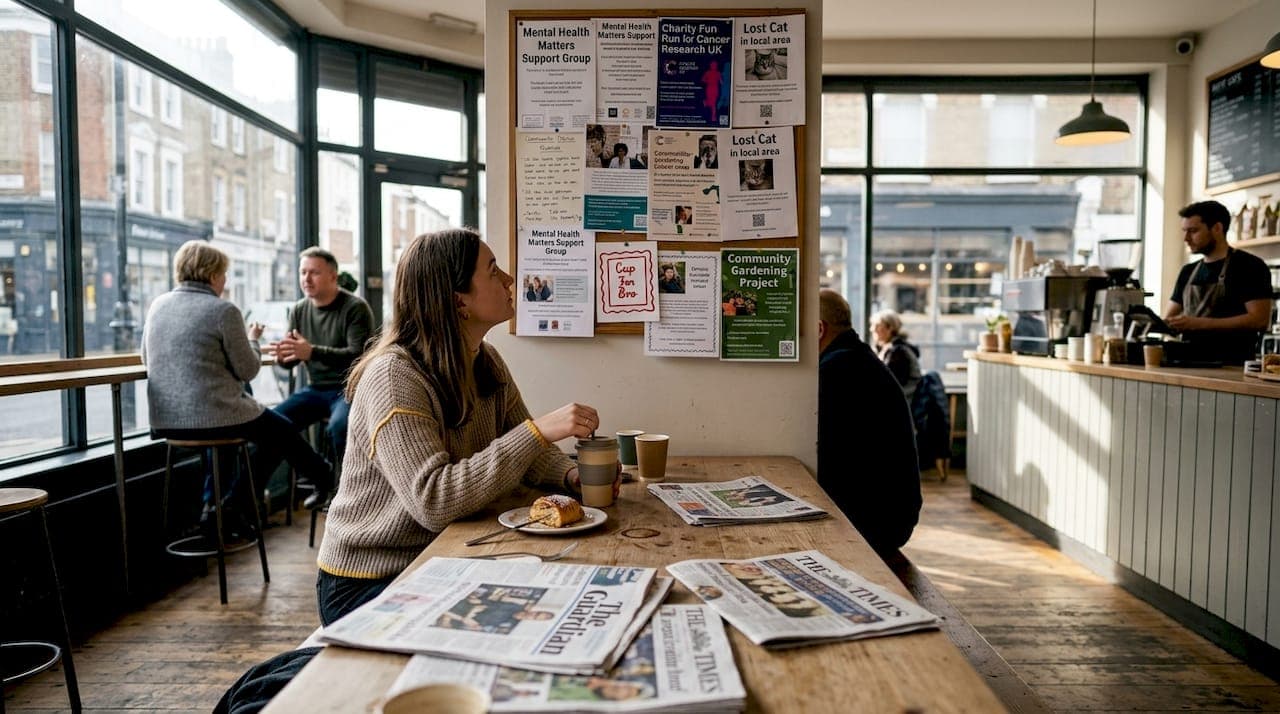
Every cup of coffee you buy is a quiet decision. Most people never think twice about it, yet that single purchase can either vanish into a corporate bottom line or flow directly into mental health support for men across the UK. The gap between those two outcomes is not luck. It is choice. Cause-driven coffee brands are proving that the ritual of making a brew can carry genuine weight, funding counselling services, awareness campaigns, and crisis support. This guide breaks down exactly how 'coffee with a cause' works, which models deliver the most reliable impact, and how you can make every cup count.
Table of Contents
- What does 'coffee with a cause' really mean?
- How your cup creates impact: Mechanisms and models
- Navigating options: Choosing the right cause-driven coffee
- Getting involved: Actionable steps for conscious consumers
- The uncomfortable truth: Why it takes more than a cup to fix mental health
- Discover coffee with purpose — make an impact today
- Frequently asked questions
Key Takeaways
| Point | Details |
|---|---|
| Your coffee can drive change | Every cup you buy from the right brand helps fund essential mental health projects. |
| Look for sales-based donations | Coffee brands donating a fixed percentage of sales provide the most consistent impact. |
| Match your values and health | Choose blends, including decaf, that align with your values and consider your caffeine sensitivity. |
| Small actions do add up | Even rounding up your bill or buying a cause blend makes a real difference over time. |
What does 'coffee with a cause' really mean?
At its core, 'coffee with a cause' describes any coffee product or service that directs a portion of its proceeds towards a social initiative. It is not a marketing gimmick. It is a structural decision built into how a business operates. Mental health, and particularly men's mental health, has become one of the most prominent causes in British coffee culture, and for good reason. Men in the UK are three times more likely to die by suicide than women, yet conversations about male mental health remain stubbornly difficult to start.
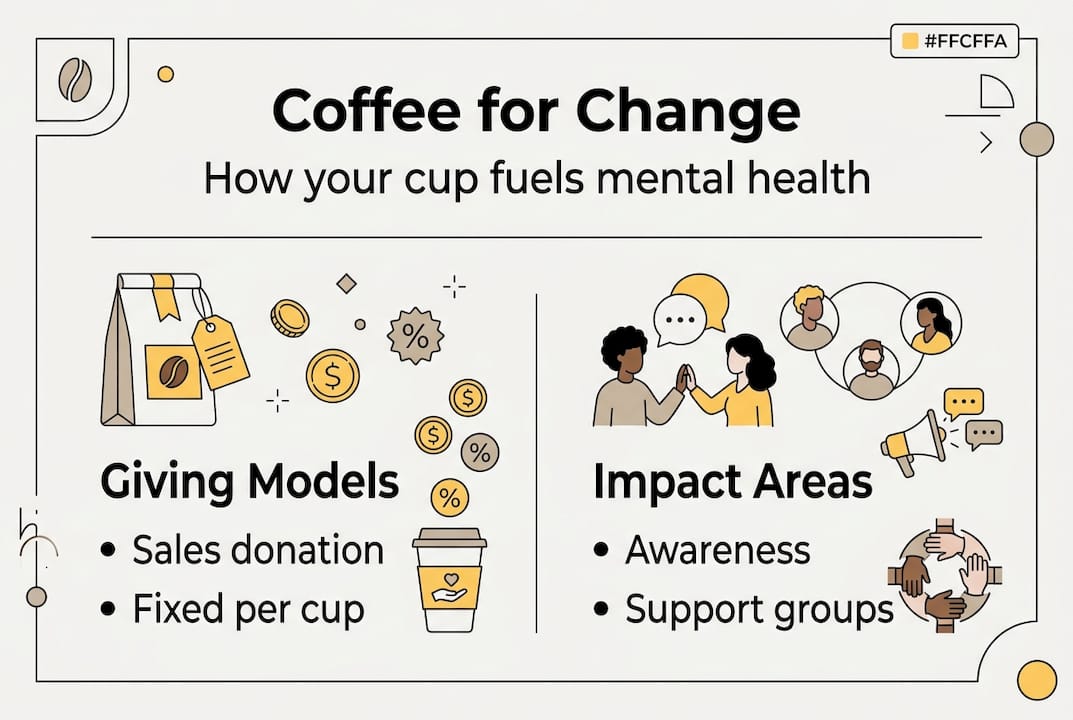
Cause-driven coffee sits at the intersection of everyday habit and meaningful action. The main mechanisms include:
- Optional donations at checkout, where customers choose to add a small contribution
- Fixed percentage of sales, where a set amount from every purchase goes to a cause regardless of business costs
- Special or limited edition blends, tied to specific campaigns or awareness moments
- Subscription models, where recurring purchases generate recurring donations
"Optional customer donations and fixed percentage of sales benefit causes in measurably different ways, with fixed models offering greater consistency for organisations that depend on predictable funding."
What separates ethical coffee from conventional coffee is not just the bean. It is the intention behind every transaction. Conventional coffee profits serve shareholders. Cause-driven coffee profits serve people. You can explore how charity coffee campaigns are structured and why they work, or see how London cafes supporting mental health are already changing the conversation on the high street.
How your cup creates impact: Mechanisms and models
With the basics covered, let's explore exactly how your coffee money gets translated into meaningful action. Not all fundraising models are equal, and understanding the difference will help you choose where your money does the most good.
| Model | Reliability | Transparency | Best for |
|---|---|---|---|
| Optional donation | Low to medium | Medium | One-off supporters |
| Fixed % of sales | High | High | Consistent givers |
| Limited edition blend | Medium | Medium | Campaign awareness |
| Subscription model | High | High | Long-term advocates |
Here is how each model typically works in practice:
- Optional donation at checkout: The customer is prompted to add a small sum. Simple, but dependent on individual willingness each time.
- Fixed percentage of sales: Every unit sold triggers an automatic donation. No customer action required beyond the purchase itself.
- Limited edition blend: A specific product is launched in connection with a campaign. Sales during a defined window fund the cause.
- Subscription: Regular deliveries generate regular donations, building a reliable income stream for mental health organisations.
Pro Tip: Always look for brands that donate from sales rather than profits. Profits can be reduced by business expenses, meaning the cause receives less. A fixed percentage of sales provides more consistent donations than profit-based models, making it the gold standard for accountability.
You can learn more about how cafés donate a fixed percent of their revenue and what that looks like in practice, or see examples of brands engaging customer donations in ways that feel natural rather than pressured.
Navigating options: Choosing the right cause-driven coffee
Understanding the fundraising models is one thing, but making the right choice for you requires a closer look at available options. Not every cause-driven coffee will suit every consumer, and that is fine. The key is knowing what to look for.
Factors worth considering before you commit:
- Cause transparency: Does the brand clearly state which organisations receive funds and how much?
- Coffee type: Do they offer a range including decaf, whole bean, and ground?
- Sourcing ethics: Is the coffee fairly traded and sustainably grown?
- Mental health specificity: Does the cause focus on mental health, or is it a broad charitable umbrella?
| Coffee type | Typical cause supported | Caffeine level | Best for |
|---|---|---|---|
| Espresso blend | Men's mental health campaigns | High | Daily drinkers |
| Filter roast | Community wellbeing programmes | Medium | Home brewers |
| Decaf blend | Anxiety and wellness initiatives | None | Sensitive individuals |
| Limited edition | Specific awareness campaigns | Varies | Collectors and advocates |
Limited-time blends, such as short-term campaigns run by larger chains in England, can generate significant awareness. However, they often lack the sustained funding that ongoing models provide. They are great for visibility, less reliable for long-term impact.
Pro Tip: If you are sensitive to caffeine, high caffeine intake may increase anxiety in some individuals, so choosing a decaf option lets you support mental health causes without compromising your own. Explore decaf options for supporters that still contribute meaningfully to the cause. You might also be surprised by the wellbeing impact of baristas in shaping the mental health conversation at street level.
Getting involved: Actionable steps for conscious consumers
Having selected your coffee programme, here is how you can maximise your own impact while enjoying every cup. Getting started does not require a big budget or a dramatic lifestyle overhaul. Small, consistent actions accumulate into real support.
- Identify cause-driven brands: Search for coffee companies that clearly state their mental health partnerships and publish donation figures.
- Switch your regular order: Replace your current coffee brand with an ethical alternative. The cost difference is often minimal.
- Talk to your local café: Ask whether they support any mental health initiatives or would consider stocking cause-driven beans. Many local café fundraising for mental health efforts start with exactly this kind of conversation.
- Round up your bill: Many cafés offer a round-up option at the till. It adds pennies to your spend but pounds to the cause over time.
- Share what you are doing: Word of mouth remains one of the most powerful tools for growing a movement. Tell someone why you chose your coffee.
Quick ways to amplify your impact beyond the purchase:
- Buy limited edition blends tied to awareness campaigns
- Gift cause-driven coffee to friends and colleagues
- Follow and share the social content of mental health coffee brands
- Leave reviews that highlight the cause, not just the taste
"Optional customer donations at checkout are one of the most accessible entry points for consumers who want to contribute without committing to a full brand switch."
Even rounding up a £3.50 coffee to £4.00 might feel trivial in isolation. Multiplied across thousands of customers, it funds real services. You can explore the broader mental health impact vision behind initiatives like Cup For Bro to understand where that money actually goes.
The uncomfortable truth: Why it takes more than a cup to fix mental health
Here is something most cause-driven coffee brands will not say out loud: buying ethical coffee is not enough on its own. We believe in what we do at Cup For Bro, deeply. But we also think it is important to be honest about the limits of consumer activism.
Cause-driven coffee is a starting point, not a solution. Mental health infrastructure in the UK needs sustained policy investment, not just donation income. Counselling waiting lists, underfunded NHS mental health services, and the stigma that still surrounds men seeking help are systemic problems. A percentage of coffee sales can fund vital support, but it cannot replace structural change.
What conscious consumers can do is use their purchasing power as a gateway to wider engagement. Buy the coffee, yes. But also vote for policies that fund mental health services. Talk openly about your own wellbeing. Challenge the silence around male mental health in your own circles. The community wellbeing efforts we see in cafés and communities are powerful precisely because they normalise the conversation, not just because they raise funds.
The cup matters. So does everything that happens around it.
Discover coffee with purpose — make an impact today
If this article has shifted how you see your morning brew, the next step is simple. At Cup For Bro, we partner with some of the UK's leading mental health foundations to ensure that every bag of coffee sold funds real support for men who need it. Giving is not a side project for us. It is the whole point.
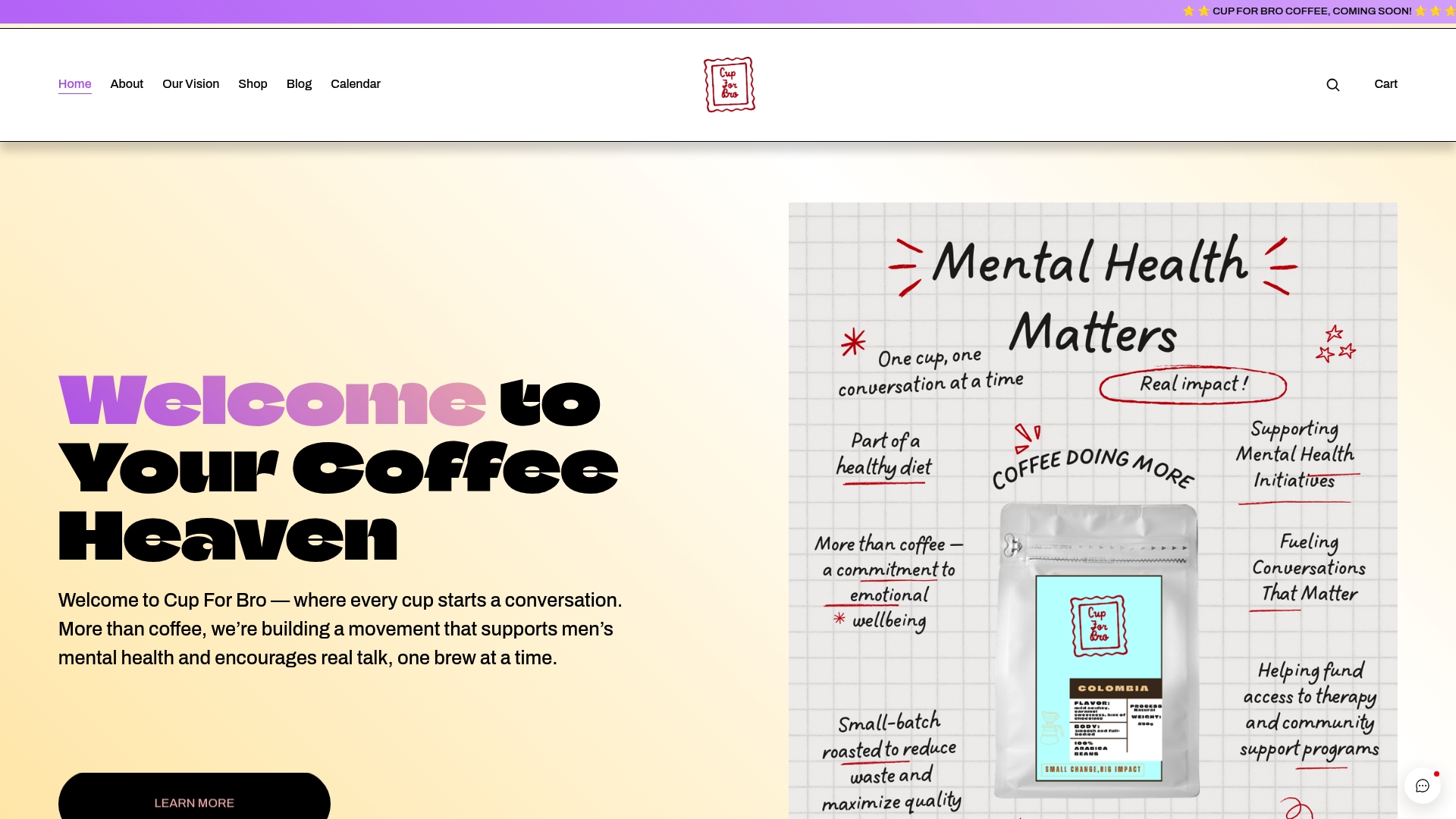
Browse our range of exclusive coffee cups and find a blend that suits your taste and your values. Whether you are buying for yourself, your workplace, or as a gift, each purchase contributes directly to men's mental health programmes across the UK. Ready to make your coffee count? Start conversations with Cup For Bro and discover how one small habit can create lasting change.
Frequently asked questions
How does buying coffee support mental health initiatives?
Buying coffee from cause-driven brands means a part of your payment goes directly to mental health programmes or awareness campaigns. Coffee purchases can fund mental health through fixed sales percentages or optional donations at the point of purchase.
Is decaf coffee included in mental health coffee campaigns?
Yes, many ethical coffee brands include decaf to support health-conscious consumers wanting to help mental health charities. Decaf options are increasingly available in charity coffee initiatives, making it easier to participate regardless of caffeine sensitivity.
Why do some brands donate a percentage of sales and not profits?
Donating from sales rather than profits guarantees a more consistent benefit for causes regardless of business costs. Donating a fixed percentage of sales rather than profit ensures reliability and gives mental health organisations predictable income to plan services.
Can drinking coffee affect my mental health directly?
Drinking more than six cups per day may increase anxiety in sensitive individuals, so decaf or limited intake is advised. High caffeine intake may increase anxiety, which is why choosing a blend that suits your own wellbeing is just as important as the cause it supports.