

Men in London face unique barriers when seeking mental health support, with stigma and traditional masculinity norms limiting access to vital services. Research shows that whilst 12% of men report depression, many avoid therapy due to perceived weakness or cultural expectations. This guide explores evidence-based treatments like cognitive behavioural therapy, community peer support initiatives, and practical coffee-related programmes that fund mental health charities. You'll discover accessible resources tailored for men, understand how small actions like purchasing coffee can drive meaningful change, and learn actionable steps to begin your mental health journey in London today.
Table of Contents
- Key Takeaways
- Understanding mental health support options for men
- The role of community initiatives in mental health support
- Challenges and nuances in mental health support for London men
- Accessing mental health support in London: practical next steps
- Support mental health and start conversations with Cup For Bro
- Frequently asked questions
Key Takeaways
| Point | Details |
|---|---|
| CBT effectiveness for men | Cognitive behavioural therapy provides structured and evidence based relief for depression and anxiety in men. |
| Peer support for men | Informal peer groups provide safe spaces where men can share experiences without clinical pressure. |
| Coffee initiatives fund charities | Community coffee programmes link everyday purchases to funding vital mental health charities. |
| London resources discreetly accessible | London offers tailored options that help men access support discreetly and effectively. |
Understanding mental health support options for men
Mental health support for men extends far beyond traditional therapy sessions. Evidence-based treatments like cognitive behavioural therapy offer structured, practical approaches that resonate with men who prefer goal-oriented interventions. CBT demonstrates moderate to large effects for depression and anxiety, with effect sizes of 0.8 or higher in clinical studies.
CBT works through two core mechanisms: cognitive restructuring and behavioural activation. Cognitive restructuring helps you identify and challenge unhelpful thought patterns that fuel anxiety or low mood. Behavioural activation encourages you to engage in meaningful activities even when motivation is low, breaking the cycle of withdrawal and isolation. Sessions typically last 50 minutes and include homework assignments to practise new skills between appointments.
Peer support represents another powerful option, particularly for men who find traditional therapy intimidating. These informal chats create safe spaces where you can share experiences without clinical pressure. Trauma-informed peer facilitators understand how masculinity norms and past experiences shape mental health, offering validation rather than diagnosis. Many men find peer groups more accessible than formal therapy because conversations feel natural and relatable.
Pro Tip: Choose a therapist with specific experience in male-centred approaches. Ask potential therapists how they address masculinity norms and whether they've worked with men facing similar challenges to yours.
The contrast between traditional therapy uptake and community-based support is striking. Whilst formal therapy remains underutilised by men due to stigma, peer groups and coffee catch-ups attract higher engagement. These informal settings reduce the perceived vulnerability of seeking help, allowing men to connect authentically. Explore mental health blog insights for personal stories and practical guidance.
Key support types include:
- Cognitive behavioural therapy for structured, evidence-based treatment of depression and anxiety
- Peer support groups offering informal conversation and shared experience validation
- Trauma-informed care addressing past experiences that shape current mental health
- Community coffee initiatives combining social connection with charity funding
- NHS Talking Therapies providing free, confidential access to professional counselling
Understanding your options empowers you to choose support that matches your preferences and circumstances. Whether you prefer structured therapy or informal peer chats, London offers diverse pathways to mental well-being. Discover more about mental health community vision and how collective action drives change.
The role of community initiatives in mental health support
Community initiatives transform everyday actions into mental health support. Coffee-related programmes demonstrate how purchasing decisions can fund vital charity services whilst building peer connections. Starbucks donates 25p per Harry's Flat White to mental health charities through the Harry Kane Foundation, showing how retail partnerships generate sustainable funding streams.
Peer coffee catch-ups serve multiple functions beyond fundraising. They create regular touchpoints where men can check in with each other, reducing isolation and normalising mental health conversations. Menfulness charity evolved from informal coffee meetings and now supports hundreds of men across the UK, proving that simple rituals can scale into meaningful movements.
Benefits of community peer support:
- Reduces stigma by normalising mental health discussions in casual settings
- Builds ongoing support networks that extend beyond crisis moments
- Provides accessible entry points for men uncomfortable with formal therapy
- Generates funding for professional services through product purchases
- Creates accountability through regular meet-ups and shared goals
The financial impact of coffee initiatives adds up quickly. Small per-unit donations accumulate into substantial charity contributions that fund counselling sessions, peer facilitator training, and mental health awareness campaigns. This table illustrates typical donation structures and their reach:
| Initiative type | Donation per unit | Annual reach | Services funded |
|---|---|---|---|
| Coffee bean sales | £0.50-£1.00 | 5,000-10,000 men | Peer facilitator training, awareness campaigns |
| Café partnerships | £0.25 per drink | 15,000-25,000 men | Counselling sessions, crisis support |
| Subscription boxes | £2.00-£3.00 | 2,000-4,000 men | Specialist therapy, family support programmes |
Pro Tip: Start your own local coffee catch-up by inviting two or three mates to meet monthly at a café. Keep it informal and let conversations flow naturally. You're not running therapy, just creating space for connection.
Daily rituals like morning coffee become anchors for mental well-being when linked to supportive communities. The act of purchasing coffee from mental health initiatives reinforces your commitment to both personal wellness and collective support. These small, repeatable actions build resilience over time, creating habits that sustain mental health long after initial motivation fades.

Explore coffee products for mental health that directly fund support services, or read about coffee and mental health community connections that strengthen peer networks. Every purchase contributes to a larger movement promoting male mental well-being through accessible, stigma-free pathways.
Challenges and nuances in mental health support for London men
Men from ethnic minority backgrounds face disproportionate mental health challenges in London. Black men experience 2-8 times higher psychosis diagnosis rates compared to white men, yet encounter significant barriers accessing appropriate care. Systemic racism, cultural mistrust of mental health services, and limited culturally competent providers create obstacles that prevent many men from seeking help.
Masculinity norms compound these challenges. Traditional expectations around stoicism, self-reliance, and emotional restraint discourage men from expressing vulnerability or admitting struggles. These norms lead to harmful coping mechanisms like substance use, aggression, or complete withdrawal from social support. The pressure to appear strong prevents men from recognising when they need help and delays intervention until crises emerge.
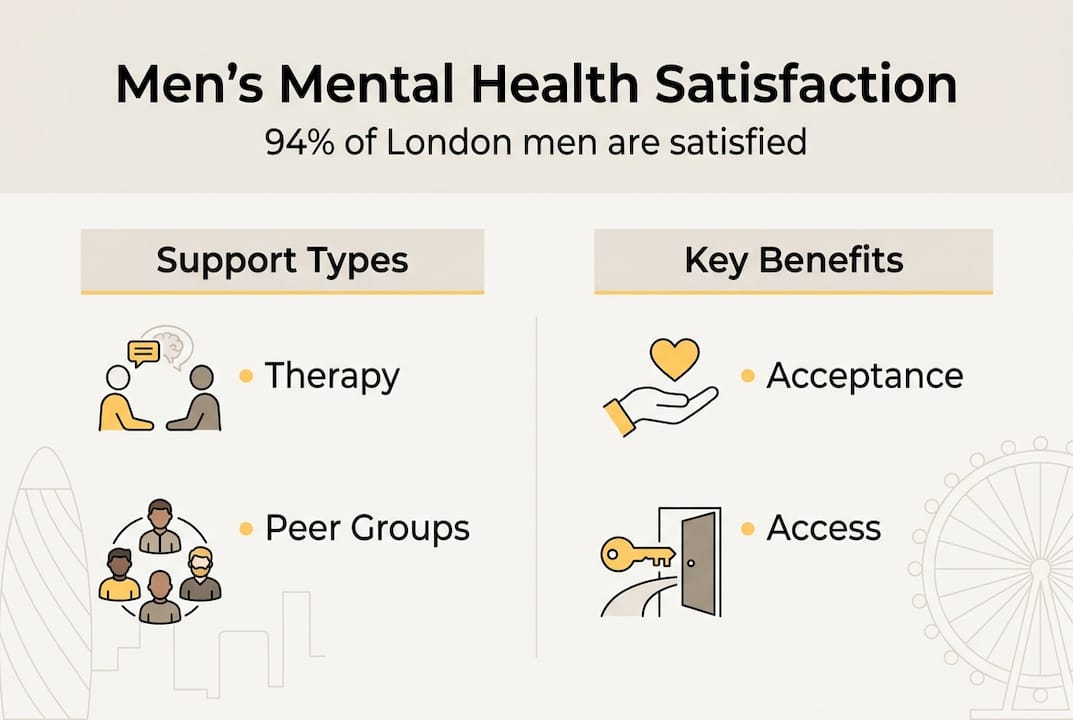
Male-centred approaches improve outcomes by acknowledging these realities. Therapy that addresses masculinity norms explicitly, validates men's experiences, and focuses on practical problem-solving resonates more effectively than generic treatments. This comparison shows key differences:
| Aspect | Traditional therapy | Male-centred approaches |
|---|---|---|
| Communication style | Open-ended emotional exploration | Goal-oriented, solution-focused dialogue |
| Session structure | Flexible, client-led | Structured with clear objectives |
| Masculinity norms | Rarely addressed directly | Explicitly discussed and validated |
| Homework assignments | Journal writing, emotional processing | Behavioural experiments, skill practice |
| Cultural competence | Variable | Prioritises understanding of male identity and cultural context |
Ethnic minority men benefit from specific adaptations:
- Culturally competent therapists who understand how racism and discrimination impact mental health
- Peer support groups led by men from similar backgrounds who share lived experience
- Services that acknowledge historical mistrust of mental health systems and work to rebuild confidence
- Flexible appointment options that accommodate work schedules and family commitments
- Multilingual resources and interpreters when language barriers exist
Addressing these challenges requires systemic change alongside individual action. Mental health services must actively recruit diverse practitioners, train staff in cultural competence, and partner with community organisations trusted by ethnic minority populations. Men themselves can advocate for better services by sharing feedback, participating in peer support, and normalising mental health conversations within their communities.
Find culturally competent support through the Hub of Hope mental health directory, which allows you to filter services by location, issue, and demographic. Men Who Talk support groups offer peer-led spaces specifically designed for men, with chapters across London addressing diverse needs.
Accessing mental health support in London: practical next steps
Getting started with mental health support feels overwhelming, but breaking the process into clear steps makes it manageable. NHS Talking Therapies offers free, confidential access without requiring GP referral. You can self-refer online by completing a brief questionnaire that matches you with appropriate services. NHS Talking Therapies achieve 92-94% satisfaction among men who complete treatment, demonstrating effectiveness when men engage.
First steps to access support:
- Visit the NHS Talking Therapies website and complete the self-referral form for your London borough
- Search the Hub of Hope directory for local services, filtering by issue type and location
- Attend a Men Who Talk group meeting to experience peer support without formal commitment
- Contact your GP to discuss mental health concerns and explore medication or specialist referrals if needed
- Join community coffee initiatives that combine social connection with mental health awareness
Combining approaches maximises benefits. Formal therapy provides structured skill-building and professional expertise, whilst peer groups offer ongoing connection and practical support between sessions. Many men find that attending both creates comprehensive support addressing different needs. Therapy develops coping strategies and processes past trauma, whilst peer chats maintain motivation and reduce isolation.
Pro Tip: Schedule your first peer group visit or therapy appointment during a calm moment, not during crisis. Early intervention prevents escalation and gives you tools before situations become unmanageable.
Small actions build momentum. Joining a coffee group that supports mental health charities introduces you to like-minded men whilst contributing to broader change. These informal settings provide low-pressure opportunities to discuss mental health, test your comfort level with vulnerability, and build relationships that sustain long-term well-being. Resilience training often emerges naturally through repeated peer interactions, as you observe how others navigate challenges and apply similar strategies to your own life.
Explore the Cup For Bro vision to understand how coffee purchases fund professional services and peer programmes. Every small step forward counts, whether that's buying coffee that supports mental health, attending your first peer group, or booking an initial therapy session. Progress accumulates through consistent action, not perfection.
Support mental health and start conversations with Cup For Bro
Every coffee purchase through Cup For Bro directly funds mental health charities and support programmes for men across the UK. We partner with leading mental health foundations to ensure your buying decisions translate into counselling sessions, peer facilitator training, and awareness campaigns that reduce stigma. Our exclusive coffee products are designed to spark conversations about mental well-being, turning your morning ritual into meaningful action.
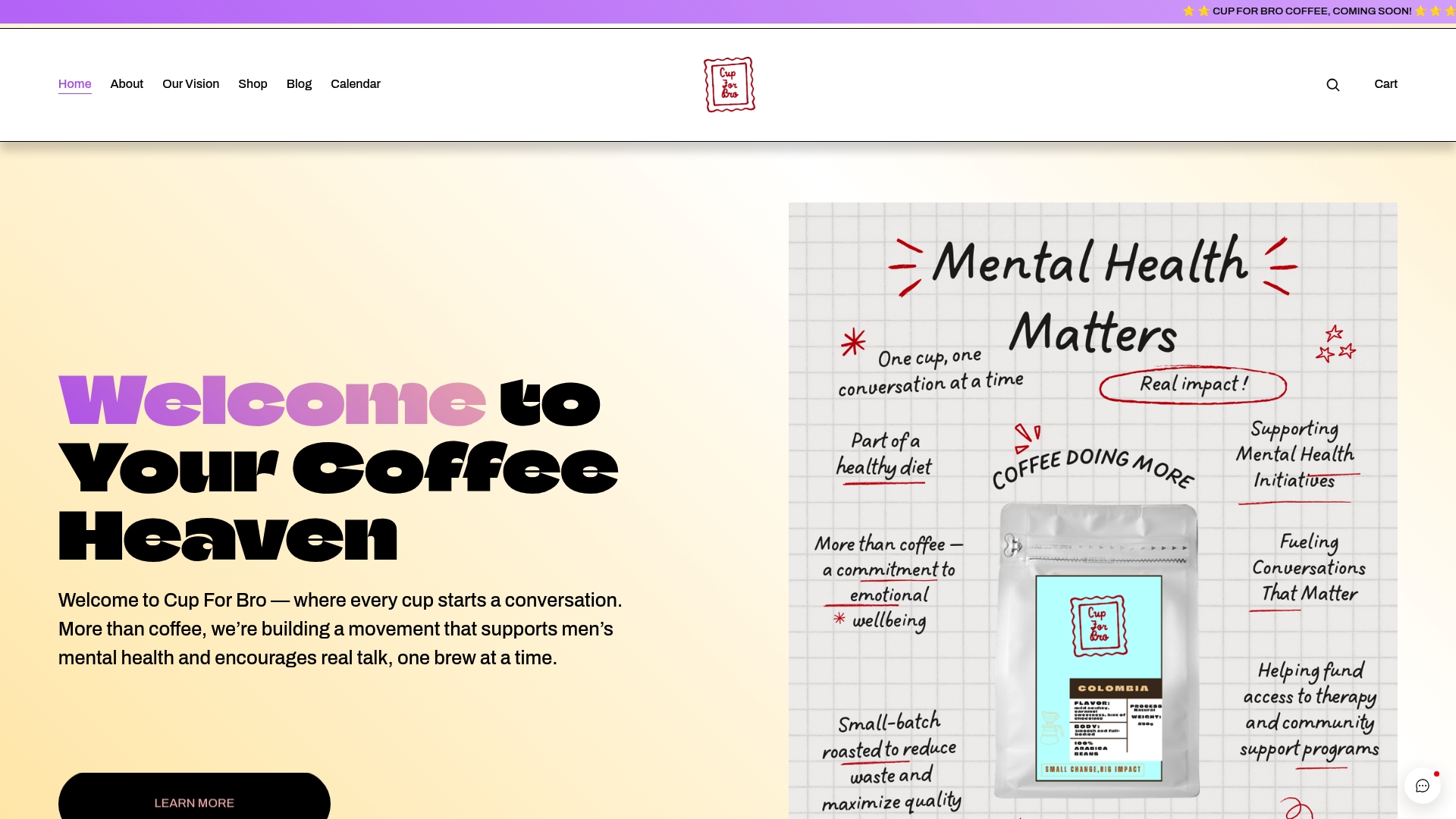
Explore our coffee shop to discover blends that fuel both your day and vital support services. Each product contributes to a larger movement promoting male mental health through accessible, community-driven approaches. Learn more about the Cup For Bro vision and how we're building a network of men committed to supporting each other's well-being. Visit Cup For Bro to join a community where giving is our way of business, and every cup makes a difference.
Frequently asked questions
What is cognitive behavioural therapy and how does it help men?
Cognitive behavioural therapy is a structured, evidence-based treatment that helps you identify and change unhelpful thought patterns and behaviours. It works particularly well for men because sessions focus on practical problem-solving and skill-building rather than open-ended emotional exploration. CBT typically involves 8-12 weekly sessions with homework assignments to practise new coping strategies between appointments.
How can peer support improve mental health outcomes?
Peer support creates safe spaces where men share experiences without clinical pressure or formal diagnosis. These informal conversations reduce isolation, normalise mental health discussions, and provide practical advice from others who've faced similar challenges. Regular peer contact builds accountability and ongoing connection that extends beyond crisis moments, sustaining well-being long-term.
What should I do if I face stigma when seeking mental health help?
Start by reframing help-seeking as strength rather than weakness. Many men find peer groups less stigmatising than formal therapy because conversations feel natural and relatable. You can also access support discreetly through online NHS self-referral or confidential directories. Share your journey selectively with trusted friends who respect your decision, and remember that prioritising your well-being benefits everyone who depends on you.
Are there mental health services specifically designed for men in London?
Yes, several London-based services focus specifically on men's mental health. Men Who Talk runs peer support groups across multiple boroughs, whilst NHS Talking Therapies offers male-specific options in some areas. The Hub of Hope directory allows you to filter services by demographic, helping you find male-centred practitioners and groups. Explore mental health blog insights for additional London-specific resources and personal stories.
How do coffee initiatives contribute to mental health support?
Coffee initiatives generate sustainable funding for mental health charities through small per-unit donations that accumulate into substantial contributions. These programmes also create social touchpoints where men connect regularly, reducing isolation and normalising mental health conversations. Purchasing coffee from mental health initiatives combines practical support for professional services with community-building that strengthens peer networks and promotes ongoing well-being.
Recommended
- Our Vision | Start Conversations, Make Impact — Cup For Bro .
- Blog | Discover Insights - Take Action Today — Cup For Bro .
- Mental Health, Coffee, and Community: How Small Daily Rituals Support Real Well-Being — Cup For Bro .
- One Cup, One Conversation: How Small Actions Spark Big Change — Cup For Bro .