

Recognising mental health struggles can feel impossible when you're navigating them alone. For many men across the UK, traditional clinical settings carry stigma and formality that discourage honest conversations. Coffee shops have emerged as welcoming third places where casual catch-ups reduce barriers to discussing mental wellness. This article provides a practical checklist you can use during coffee meet-ups to monitor your mental health, support mates, and decide when peer groups or professional help might be right for you.
Table of Contents
- Key Takeaways
- Criteria for a coffee shop mental health checklist
- Key items on a mental health checklist for men in coffee shops
- Peer-led coffee groups versus formal support services
- Summary comparison of coffee shop mental health support options
- How to use this checklist to start or join coffee shop mental health support
- Support your mental wellness with Cup For Bro
- Frequently asked questions
Key Takeaways
| Point | Details |
|---|---|
| Coffee shop third places | Coffee shops act as welcoming third places that ease conversations about mental health away from clinical settings. |
| Moderate caffeine benefits | Moderate intake of three to four cups daily can support mood and wellbeing, while excessive caffeine may worsen anxiety. |
| Open ended questions | Using open ended questions during coffee catch ups encourages vulnerability and genuine sharing. |
| Peer led support | Peer led models provide effective mental health support by emphasising lived experience over professional hierarchy. |
Criteria for a coffee shop mental health checklist
Creating an effective mental health checklist for coffee shop settings requires understanding what makes these environments uniquely supportive for men. No formal coffee shop mental health checklist exists in clinical literature, but research shows coffee shops function as third places where men feel comfortable opening up outside traditional healthcare settings. These informal venues remove the clinical atmosphere that often prevents honest conversations about struggles.
The ideal coffee shop environment for mental health check-ins should be welcoming, peer-led, and free from judgement. Look for venues that encourage lingering conversations rather than quick transactions. Comfortable seating, moderate noise levels, and a relaxed atmosphere create the psychological safety men need to discuss vulnerabilities. Peer-led models work particularly well because they emphasise shared experience rather than professional hierarchy.
Coffee itself plays a dual role in mental wellness. Moderate intake of 3-4 cups daily supports mental ageing and mood regulation through protective effects on cellular health. However, excessive consumption reverses these benefits and may worsen anxiety symptoms. Your personal caffeine sensitivity matters enormously. Some men thrive on multiple espressos whilst others experience jitters or sleep disruption from a single cup.
Consider these environmental and personal factors when choosing coffee venues for mental health check-ins:
- Atmosphere that encourages conversation without time pressure
- Peer-focused rather than clinical or formal settings
- Personal caffeine tolerance and existing health conditions
- Accessibility and regular availability for consistent meet-ups
- Privacy balanced with welcoming openness
Pro Tip: Track how different coffee amounts affect your mood and anxiety levels over a week. This personal data helps you optimise intake for mental wellness rather than following generic guidelines.
Using open-ended questions during coffee catch-ups encourages vulnerability. Instead of "Are you alright?" try "How have you been feeling about work lately?" or "What's been on your mind this week?" These prompts invite genuine sharing rather than automatic "fine" responses. The combination of mental health awareness and coffee culture creates natural opportunities for these deeper conversations.
Key items on a mental health checklist for men in coffee shops
Recognising warning signs early makes the difference between managing struggles and reaching crisis point. Men often mask mental health difficulties through anger, irritability, or withdrawal rather than expressing sadness or anxiety directly. During coffee meet-ups, watch for these specific indicators in yourself and mates.
Mood changes represent the most common early warning sign. Notice if you or a friend seems persistently down, hopeless, or unusually irritable over several weeks. Increased anger and withdrawal from previously enjoyed activities signal potential depression or anxiety in men. Physical symptoms like persistent fatigue, sleep changes, or unexplained aches often accompany mental health struggles.

Social withdrawal deserves particular attention. If someone who regularly attended coffee catch-ups starts cancelling or seems disengaged when present, probe gently. Changes in typical coffee shop behaviour matter too. Someone who previously enjoyed their morning flat white but now seems anxious or restless might be experiencing heightened stress or developing caffeine sensitivity alongside mental health changes.
Use these practical self-check questions during coffee conversations:
- How would you rate your energy levels compared to last month?
- What activities have you enjoyed or avoided recently?
- How are you sleeping and eating?
- What's your stress level been like at work or home?
- Have you noticed any changes in how you feel about things that usually matter to you?
Encourage mates to share without offering immediate solutions or judgement. Active listening validates their experience and builds trust for future conversations. Sometimes just knowing someone notices and cares provides enormous relief. For more structured self-assessment of mental health, NHS online tools offer validated questionnaires for anxiety and depression.
Pro Tip: Keep mental notes or a private journal about your own responses to these questions over time. Patterns emerge more clearly when you track changes rather than relying on memory alone.
Peer-led coffee groups versus formal support services
Understanding the distinction between informal peer support and clinical therapy helps you choose the right approach for your situation. Both serve valuable but different purposes in men's mental health journeys. Coffee shop peer groups excel at reducing stigma and building connection, whilst formal services provide diagnosis and evidence-based treatment.
Peer-led coffee groups like Menfulness create informal settings that reduce stigma by emphasising shared experience over professional expertise. These groups typically meet regularly at the same venue, building familiarity and trust over time. Participants share struggles, coping strategies, and mutual support without clinical frameworks or diagnoses. The coffee shop environment signals this is a normal social activity rather than "treatment."
Formal mental health services offer structured interventions including cognitive behavioural therapy, medication management, and crisis support. Psychologists, counsellors, and psychiatrists provide evidence-based treatments for diagnosed conditions. These services become essential when symptoms significantly impair daily functioning, involve suicidal thoughts, or require medical intervention.
Research demonstrates that neighbourhood mental health cafés reduce emergency visits and isolation by providing accessible community support. The informal nature encourages men who might never book a therapy appointment to attend. Peer support complements rather than replaces professional help. Many men benefit from combining regular coffee group attendance with periodic therapy sessions.
Key differences between peer and formal support:
- Peer groups focus on connection and shared experience; therapy targets symptom reduction and skill building
- Coffee catch-ups require no diagnosis or referral; clinical services often need GP involvement
- Peer support costs nothing or minimal coffee expenses; therapy involves NHS waiting times or private fees
- Groups emphasise mutual aid; therapists maintain professional boundaries and expertise
The community aspect of coffee mental health initiatives creates belonging that clinical settings struggle to replicate. Men report feeling less alone when mates share similar struggles over coffee. This normalisation of mental health conversations represents profound cultural shift.
Pro Tip: Start with peer coffee groups if you're unsure whether you need formal help. Group members often recognise when someone's struggles exceed peer support capacity and can encourage professional consultation.
Summary comparison of coffee shop mental health support options
Choosing between peer-led coffee groups and formal therapy depends on your specific needs, symptom severity, and personal preferences. This comparison helps clarify which approach suits your current situation.
| Feature | Peer-led coffee groups | Formal therapy services |
|---|---|---|
| Access | Drop in anytime, no referral needed | Requires GP referral or private booking |
| Cost | Free or coffee purchase only | NHS free but long waits; private £40-150 per session |
| Environment | Casual coffee shop setting | Clinical office or video call |
| Focus | Shared experience, connection, practical tips | Diagnosis, evidence-based treatment, skills training |
| Best for | Early struggles, isolation, stigma concerns | Moderate to severe symptoms, diagnosed conditions, crisis |
| Confidentiality | Informal group trust | Legal professional confidentiality |
| Expertise | Lived experience, peer wisdom | Clinical training, therapeutic techniques |
| Availability | Weekly or fortnightly local meet-ups | Limited appointments, waiting lists |
Many men find combining both approaches maximises support. Attend coffee groups for regular connection and peer insight whilst working with a therapist on specific symptoms or trauma. The informal nature of coffee catch-ups makes them sustainable long-term, providing ongoing community even after therapy ends.
Consider peer groups first if you're experiencing mild stress, loneliness, or general life pressures without severe symptoms. Seek formal therapy when symptoms include persistent low mood lasting weeks, suicidal thoughts, panic attacks, or significant impairment in work or relationships. Coffee groups can maintain wellness and prevent relapse after formal treatment concludes.
Some men resist both options initially due to stigma or masculine norms around self-reliance. Starting with a single coffee catch-up with a trusted mate often feels less threatening than booking therapy. This small step frequently leads to greater openness about seeking additional support when needed.
How to use this checklist to start or join coffee shop mental health support
Taking action transforms this checklist from information into genuine mental health support. Whether you want to check in with yourself, support a mate, or build community, these practical steps make coffee shop mental health conversations happen.
-
Identify a regular coffee venue that feels comfortable and welcoming. Choose somewhere you can sit for an hour without pressure to leave. Consistency matters more than trendy locations.
-
Invite one or two mates for a casual catch-up using the open questions from this checklist. Frame it as "fancy a coffee and a proper chat?" rather than announcing a mental health intervention.
-
During conversation, genuinely listen without immediately offering solutions. Men often need to be heard before they're ready for advice. Use follow-up questions that show interest in their experience.
-
Monitor your own responses to the checklist questions over several weeks. Notice patterns in mood, energy, social engagement, and how coffee affects your wellbeing.
-
Research existing peer groups in your area. Menfulness began from coffee catch-ups and now supports hundreds of men with NHS backing. Coffee & Coping and similar initiatives operate across the UK.
-
Create a welcoming environment if starting your own group. Emphasise that all experiences are valid and confidentiality matters. Avoid giving clinical advice; focus on shared experience and mutual support.
Pro Tip: Set a recurring calendar reminder for monthly coffee catch-ups with the same mate or group. Regularity builds trust and makes mental health conversations feel normal rather than crisis-driven.
Recognise when peer support reaches its limits. If you or a mate experiences suicidal thoughts, severe anxiety preventing daily activities, or symptoms worsening despite peer support, encourage professional help. Coffee groups complement but don't replace clinical care for serious mental health conditions. The community support guidance available through mental health initiatives provides additional resources for knowing when to escalate concerns.
Starting these conversations feels awkward initially. Most men report that discomfort fades quickly once genuine sharing begins. The combination of familiar coffee shop settings and structured checklist questions provides just enough framework to overcome initial resistance whilst maintaining natural conversation flow.
Support your mental wellness with Cup For Bro
Your daily coffee ritual can become part of your mental wellness practice. Cup For Bro offers exclusive coffee blends designed to enhance those meaningful catch-ups whilst supporting men's mental health initiatives across the UK. Every purchase funds vital mental health programmes through partnerships with leading foundations.
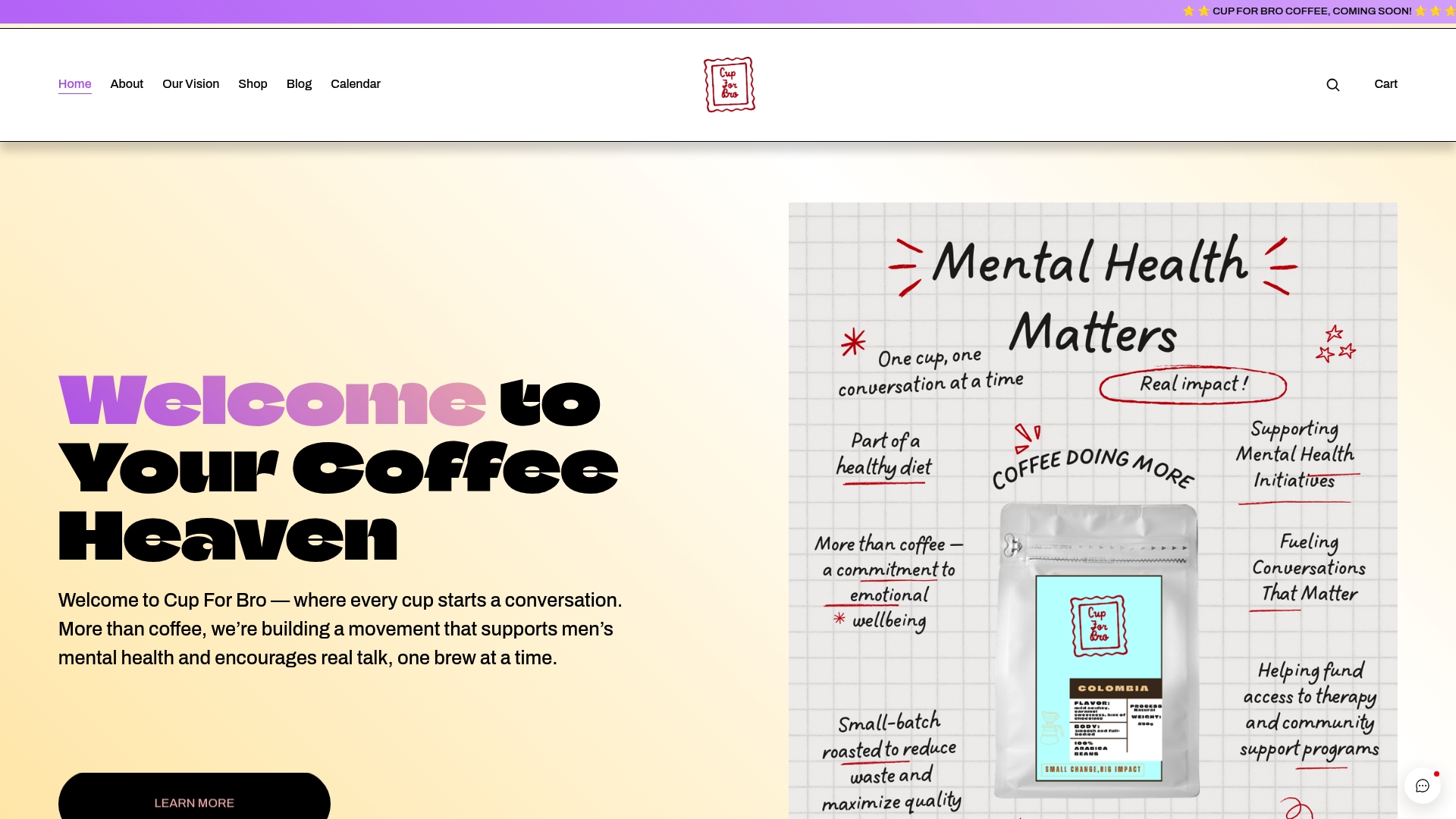
Explore our coffee shop products crafted specifically for men who value both quality brews and mental wellness conversations. Our beans spark the kind of discussions that matter, turning ordinary coffee breaks into opportunities for genuine connection. Join our community mental health initiatives that link coffee culture with practical support programmes.
Whether you're meeting mates for a regular check-in or enjoying a mindful solo cup, Cup For Bro makes your coffee count. Visit cupforbro.co.uk to discover how your coffee choices can support mental wellness for yourself and men across the UK. Because giving is the Cup For Bro way of business.
Frequently asked questions
What mental health signs should men notice in themselves during coffee catch-ups?
Watch for persistent mood swings, increased irritability, or unexplained anger lasting more than two weeks. Social withdrawal from activities you previously enjoyed and chronic fatigue despite adequate sleep signal potential mental health concerns. Notice if your typical coffee experience changes, such as feeling unusually anxious or restless after your normal intake.
Are there risks to drinking coffee for mental health?
Moderate consumption of 3-4 cups daily supports mental wellness, but excessive intake beyond 4 cups can negate benefits and worsen anxiety symptoms. Limit caffeine to 400mg daily and avoid coffee if you have hypertension or high caffeine sensitivity. Individual responses vary significantly, so monitor how different amounts affect your mood and sleep.
How can I find or start a men's coffee mental health group near me?
Search online for local peer groups like Menfulness or Coffee & Coping that already operate in many UK towns. Start informal meet-ups using this checklist and open supportive questions if no groups exist locally. Promote through community centres, local cafés, and online neighbourhood forums to find interested participants. Starting men's coffee groups requires minimal resources beyond commitment to regular meet-ups.
Can coffee shop peer support replace professional therapy?
Peer support complements but cannot replace professional therapy for moderate to severe mental health conditions. Coffee groups excel at reducing isolation and providing community support for general wellness and mild struggles. Seek professional help for persistent symptoms, suicidal thoughts, or conditions requiring diagnosis and evidence-based treatment.
How often should men use this mental health checklist?
Review the checklist questions monthly during regular coffee catch-ups to track changes over time. More frequent self-checks make sense during stressful periods or when you notice mood shifts. Consistent monitoring helps identify patterns before they become crises, allowing earlier intervention through peer support or professional services.